

Deb Gingrich, MMPA Member Services
Agriculture is one of the riskiest industries for workplace injuries and fatalities, making farm safety a top priority. Implementing routine safety practices helps reduce risks year-round and reinforces precautions during high-risk seasons like planting and harvest.
Here are some easy steps to enhance farm safety:
- Employee meetings – Routine safety meetings are essential, especially during planting and harvest when there are additional people and non-typical activity around the farm.
- Safety vests – Safety vests or safety colored clothing is an easy way to keep everyone on the farm visible, both on the ground and in the equipment.
- Equipment conditions and inspections – Check that lights work, guards are in place, machinery is kept clean and tidy to help reduce fire risk, and slow-moving signage is affixed and visible on all equipment on the farm.
- Community notification – Placing safety cones and/or signage at farm and field driveways to help alert traffic to the increased activity. If your farm is active on social media, let your community know when you are in the fields and to expect large equipment on the roads.
Additionally, consider completing the FARM Workforce Development evaluation to gather more insight on industry best practices and gauge where your farm is at. Please contact Rachel Brown or me if interested.
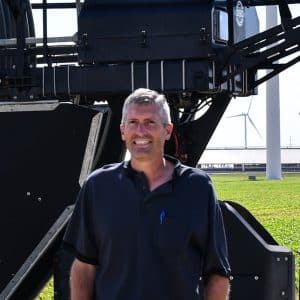
Trent Stoller, MMPA Member
Safety is a top priority on our farm, and we take a proactive approach to ensure every team member is well-trained and prepared. From the start, all employees complete animal handling training during orientation and receive annual retraining. To keep safety top of mind year-round, team managers lead monthly discussions on key safety topics, reinforcing a strong safety mindset. Employees can also access previously discussed safety resources anytime through QR code posters placed around the farm.
We have also integrated technology to streamline safety and accountability. QR codes are posted throughout the farm, allowing employees to access daily task lists, which include preventative maintenance on equipment. Once tasks are completed, employees check them off, and the data is recorded in a master spreadsheet that I review to monitor progress.
Each week, our management team reviews any injuries or near misses to ensure we learn from every incident. While all employees wear safety vests to enhance visibility, accidents can still happen. That’s why discussing safety incidents openly allows us to identify risks and implement preventative measures. By combining structured training, technology, and regular safety discussions, we are committed to fostering a safe and efficient work environment for everyone on our farm.

Dale Hall, Firefighter
Having an emergency plan in place before an emergency occurs is essential. Your farm staff needs to know what to do, but it’s equally important that first responders are familiar with your farm. Knowing the layout of your properties can speed up the emergency response and save critical time. Farms can present unique hazards to first responders that they may otherwise not be familiar with. This is why it is important that fire departments and farms work together to create a plan for potential emergencies. If you don’t have a plan with your local fire department, you should reach out, and invite them to come tour your facilities and then sit down to create a plan. These plans can then be stored by the fire department for their firefighters to have access to at any time. Alternatively, some farms have attached a waterproof container to a power pole near the entrance to store these plans. Additionally, not all fire departments have the same capabilities, so it’s important to determine in advance whether your farm has potential hazards that your closest fire station may not be equipped to handle.