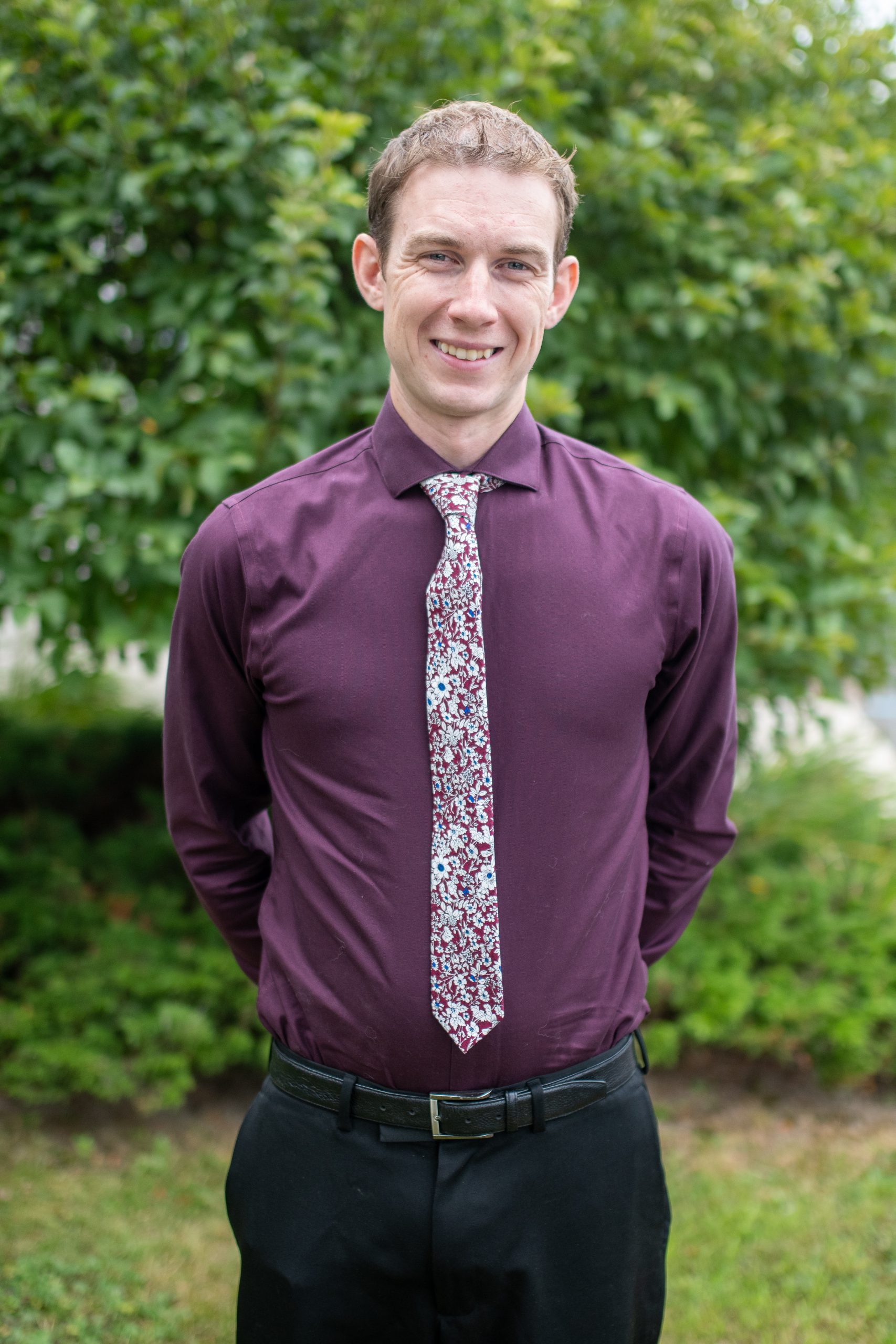
By Sudeep Jain, MMPA Director of Quality Assurance
At MMPA, the safety of our products is paramount. The year 2020 has brought so many challenges, but our commitment to producing safe, quality food has not, and should not, waiver.
In this article, I want to share with you some of the work that happens every day at MMPA plants to ensure that the products are safe to consume and are made to the quality standards that our customers expect—no different than what our dairy farmer members are responsible for on their farms. We receive some of the best quality milk in the nation from our member farms, and convert it into finished products such as fluid milk, condensed skim milk, milk powders, butter, cream, Ultra-filtered skim milk, Ultra-filtered skim milk blends and various varieties of cheese. Most of these products are classified under the ready-to-eat (RTE) category.
Food safety is an expectation, not a competitive advantage, in the evolved, 21st century food landscape. Customers and consumers have choices. The way we see it, food safety is the minimum bar that a food processor must pass to offer their products to buyers. We want consumers to have undeniable trust in the safety of dairy products every day when they drink a glass of milk or eat a piece of cheese.
All MMPA plants fall under the inspection by Food and Drug Administration (FDA), United States Department of Agriculture (USDA), and state regulatory agencies like the Michigan Department of Agriculture and Rural Development or the Indiana Board of Animal Health.
The MMPA Quality Assurance team is constantly working to ensure that our plants meet the requirements of the Food Safety Modernization Act (FSMA). The latest regulation is FDA’s Intentional Adulteration rule, which is aimed at preventing intentional adulteration of food from acts intended to cause wide-scale harm to public health, including acts of terrorism targeting the food supply. For ensuring safe food production at our plant, we have divided the plant into “zones” depending on the activities that take place in those areas. We take microbiological swabs to check for the presence of pathogenic (disease causing) bacteria in those areas. If concerns are identified, corrective actions are taken to ensure that our plants remain safe to make food for human consumption.
Additionally, all MMPA plants carry the Global Food Safety Initiative’s Safe Quality Food (SQF) Code (version 8.1). This is a voluntary certification program that standardizes the food quality and safety requirements across a broad spectrum of food manufacturers. Participation in this program helps our sales team sell products to a variety of customers and limits the number of audits that the plant operations team must manage.
As our sales team works with customers to find new and innovative uses of MMPA products, my department, the quality assurance team, works side by side with them to support the research and development work—be it sharing samples, supporting documentation or new product specification development.
We also believe that knowledge is best used when you are willing to share. Our quality team participates in industry workshops sponsored by Dairy Management Inc (DMI) and American Dairy Products Institute (ADPI) to help develop better testing methods, new ways of ensuring food safety in dairy plant operations, all of which may ultimately result in increased consumer confidence in dairy products.
This article was originally published in the November/December 2020 issue of the Milk Messenger. Subscribe »
“Farm to Fork” is usually the path we use to describe the food system. Ideas and influence, however, often move in the opposite direction.
In the “fork to farm” scenario, the choices people make about what to put on their plates affects those who produce and process food. This process is complex and not easy to predict as consumer purchasing intent and their actual purchasing behavior often are misaligned.
How to crack that code on the difference between what consumers say they’re going to do and what they actually do is a question I’ve received throughout my career. There are countless shifts that take place on an annual basis including changes in product variety, price, convenience and information – to name a few. Layer in COVID-19 and we see new behaviors, attitudes and habits unfolding.
What’s on the horizon and how should farmers respond?
Pandemic Impact
This year, without a doubt, has been extraordinary. When COVID-19 shut down restaurant dining and inspired a wave of home cooking, every link of the food chain has been impacted. Farmers, especially livestock, poultry and dairy producers, were hit hard by the sudden disruption in the markets.
As this disease continues to stay with us, some of the changes in shopping and dining habits are expected to remain, as well. A few things we should be on the watch for:
A sustained increase in online grocery shopping
Consumption of plant-based foods, not only because of curiosity and availability, but because of preference
Scrutiny for how food is produced, processed and packaged – in particular, “mass produced” food
Decreases in in-person dining given cooler temps and increases in infection cases
Processing plant operational disruption causing interference with consistent food supply
Decreasing number of SKUs/variety of food products at retail
While most of these things would be considered consumer issues, they will eventually impact those who produce food, some to a greater extent than others.
Responding to the Pressure
Consumers ask many questions of branded food companies, restaurants and grocery stores at which they shop. As pressure from consumers increases, food companies turn to agriculture through associations, organizations and influencers for engagement and even change. This is part of the work The Center for Food Integrity facilitates for our members – to ensure food system decision makers understand more about why the segments operate in the way they do, and to convey the tradeoff implications for decisions they’re considering.
The best thing farmers can do is truly listen to what consumers are saying – not so we can identify where consumers need education, not to simply correct their information, and certainly not to persuade them out of their deep-seated fears or positions.
Truly listening will help you understand what is driving their concerns. When you listen with the intent to understand (versus with the intent to refute their claims), you start to hear why their ideas and concerns are valid.
I’m not advocating for farms and food companies to agree with every consumer demand or idea. And I’m not advocating for consumers to agree with every decision of the food system. But I am encouraging all of us involved in food production to be willing to be educated about consumer perceptions in a way that’s consistent with the way we wish consumers were educated about food production. When that happens, I think there will be better outcomes for everyone.
The Center for Food Integrity has several resources available to help farmers learn about consumer behaviors. We’re here to help.
This article was originally published by the Center for Food Integrity and included in the November/December 2020 issue of the Milk Messenger. Subscribe »
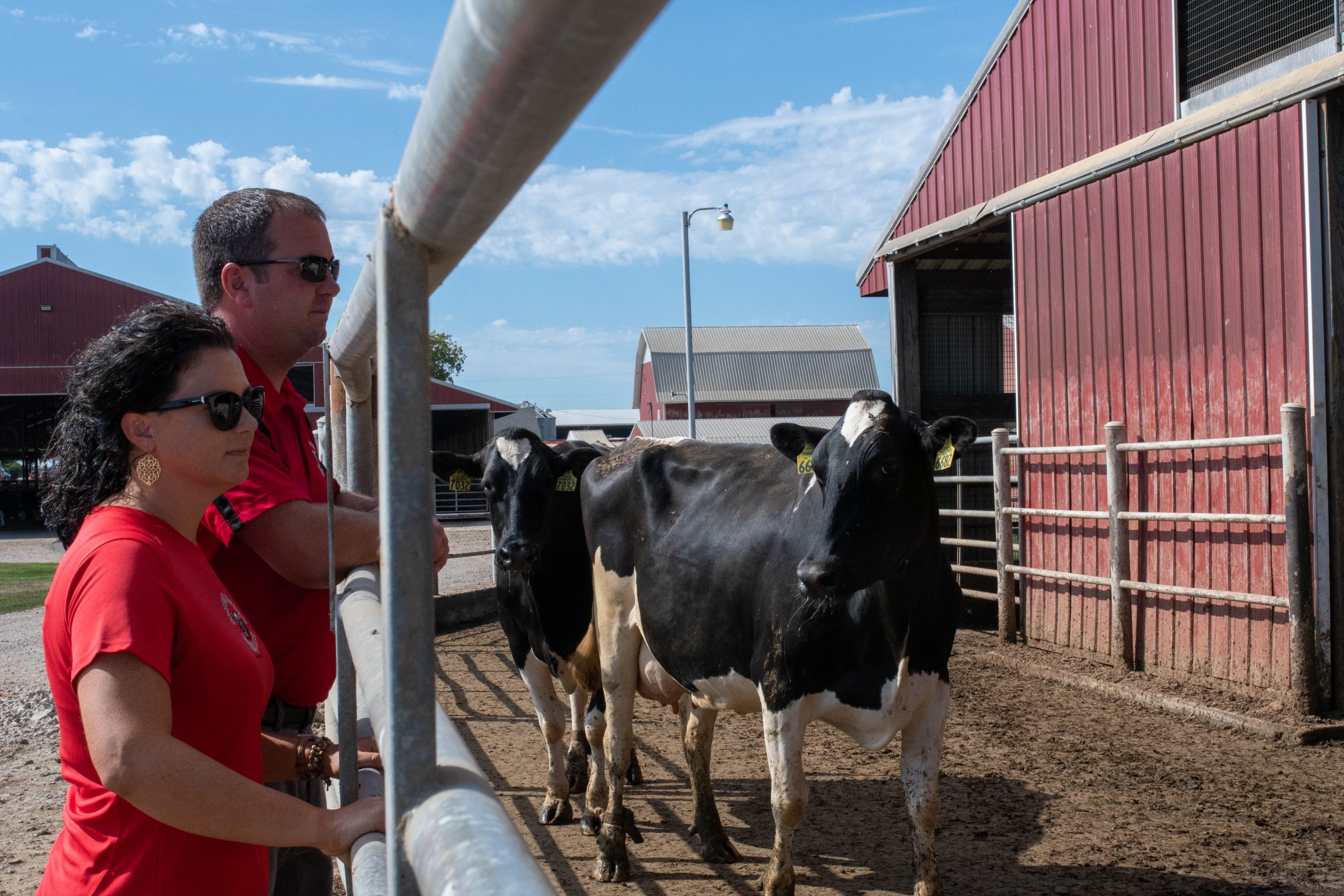
Drew and Beth Rupprecht, the 2020 Outstanding Young Dairy Cooperator Runners Up, took a leap of faith. Four years ago, they turned their part-time dairy show gig into a full-fledged milking operation with a focus on quality dairy genetics.
“In 2016, we would send cows to six or eight different farms to be milked and when they dried off, we would bring them back here and graze the heifers,” Beth said. “It got to the point where we had to ask ourselves, ‘Are we all in or are we all out? Are we going to milk cows or not?’ Needless to say, we took the leap.”
They renewed their ancestor’s farming legacy by keeping the name King Street Dairy for their registered Holsteins, named after King Street Stock Farm, the original name of the family’s farm in England, and started laying their own foundation with their farm Thistle Dew Dairy for their registered Jerseys and Milking Shorthorns.
The Rupprechts have continued to keep an eye on the future, setting guiding goals that have lead them to success, while reminding themselves of the foundation their family established before them, with an original sale advertisement of Drew’s family’s farm in England hanging in their home’s hallway.
Genetic Goals
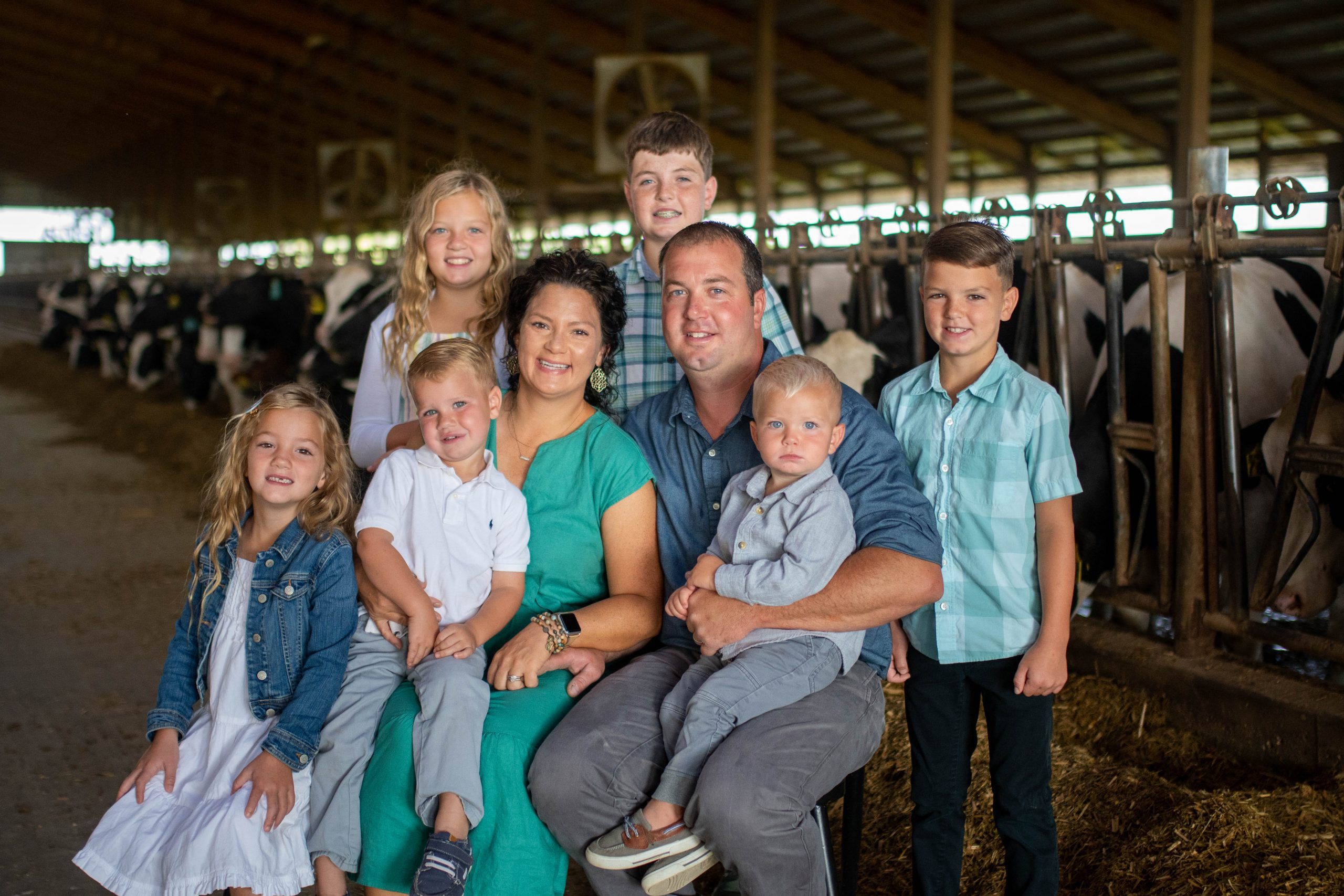
Beth and Drew Rupprecht, 2020 OYDC Runners-Up are members of the Frankenmuth Local in District 7.
The Rupprechts are fortunate to have Drew’s family’s background in dairy. When they were starting out, they relied heavily on Drew’s dad, who knew cows and the equipment that remained in the barn from when his parents sold in 2004.
“We take advantage of opportunities where we can work with others in the neighborhood and help each other out,” Beth said.
Their strong focus on community comes from growing up in a small town and is propelled by the community they live in and the people Beth services as a Michigan Farm Bureau Regional Manager. In the role, she meets members where they are and brings back the information to the home office, acting as a liaison.
Drew served in a similar capacity at MMPA, working as an MMPA Field Representative after graduating from MSU with an agribusiness major. Going from servicing farms as a field representative to showing up at the Frankenmuth Local meeting as a fellow cooperator was awkward initially. Ultimately though, they united over the same passion for the industry, even if slightly different with Drew’s intense focus on genetics.
“I like looking out my window and just looking at them,” Drew said as he pointed at a pasture full of cows. “I like trying to make better ones. I like showing. I like getting out and being with other people at shows that like doing the same thing.”
The Rupprecht’s initial herd of show cattle was small since they relied on other farms to milk for them, so when they started their own milking operation they expanded their herd to the 55 it is today.
“There are cows out there that are high excellent cows now that started with nothing behind them,” Drew said. “The farms they came from might have registered them, but they were never on tests,
never scored, never shown, never nothing.”
Taking nothing and making into something is exciting for the Rupprechts and, as of last year, their Holstein herd was ranked thirteenth in the Midwest region based on Breed Association Averages (BAA) with Holstein U.S.A. Calculated based on a formula from average scores per age group from across the nation, the Rupprecht’s BAA of 111 is an impressive feat.
“We have cow family’s with a history of 11 generations of excellence and breeding another generation of excellence was fun, but it is cool to be starting our own foundation and our own excellent line,” Beth said.
Cool, for sure, but they have even higher goals of achieving top 10 BAA in the United States by 2025 with 75 percent of their herd being bred and owned by them along with breeding an All-American animal by 2025.
The Rupprecht’s Home – and home of King Street Dairy/Thistle Dew Dairy.
Lifestyle Goals
Drew and Beth started out milking in the stanchion barn that was left behind on the Rupprecht’s original homestead in Vassar, Michigan. While it was working, it wasn’t what Drew and Beth had in mind for their lifestyle, so they installed a Lely A3 robotic milker in December 2019 for added flexibility.
“Installing the robot met my objective of just wanting to pick my kids up from daycare,” Beth said. “As a mom, it was important to me to be the one to pick them up. I also wanted to have dinner on time, but that hasn’t happened yet. Let’s not jump the gun!”
Along with allowing Beth to meet her motherhood goals, Drew is happy that the robot allows them more flexibility to be off the farm. Although Beth was quick to mention, “We’ve only been gone together four nights since we started the robot.” Which Drew countered with, “That’s more than the year before!”
Regardless, there’s no question that the robot gave the Rupprechts added flexibility, but it isn’t perfect. Drew provided a realistic outlook though that “no matter what way you’re going to milk cows, there will be headaches, it’s just different headaches.”
Financial Goals
Drew and Beth are also driven to meet their financial goals. Along with their herd’s genetic achievements, they hope to become a debt-free operation by 2030. Certainly lofty by all means, Beth is confident that “it’s going to happen” and they’re being as sustainable as possible to make sure that it does.
“We try to do small projects to maintain a debt-load that we are comfortable with,” Beth said. “I like paying people off and being done. That’s why we’ve purchased used equipment or completed projects in incremental steps.”
Along with financial sustainability, Drew and Beth are focused on treating the environment they interact with in a way that sets them up for success. Their farm is located in a high-risk watershed area that makes every action they take to protect the environment vital for the Saginaw Bay that ultimately receives any runoff from their operation.
The Rupprechts utilize cover crops for forage, minimize tilling of their fields, are MEAEP verified and are working on getting their Comprehensive Nutrient Management Plan. In the future, they want to improve their manure storage and bury a tank underground to catch any of their farm’s runoff, bettering the farm for the next generations to come.
Future Goals
Bettering the future is a theme for Thistle Dew Dairy and it’s rooted in Beth’s outlook on life. When asked what motivates her every day, she replied without skipping a beat, “To be better. My dreams of what this farm will be, and they keep getting bigger and bigger.”
Pair that optimistic attitude with Beth’s entrepreneurship master’s degree and you have the future of the Rupprecht’s farm. The Oklahoma State University program taught Beth business basics and allowed her to graduate with a completed business plan for their next phase.
While there’s a lot that their goals involve, Drew’s realities experienced as a field representative make him quick to slow Beth’s motion and point out the legalities that the developing dream might not include right now. Regardless of the details to be agreed on yet, the goals are shared, and Drew will be happy by just continuing as a contributing member of the industry. Afterall, “just look at them,” cows are certainly nice to look at!
The Rupprecht’s two kids, Braxton (4) and Charlotte (2), agree that cows are great and are quickly following in Drew and Beth’s footsteps. The ultimate goal for the future of the farm is to allow the seventh generation the opportunity to be a part of the operation.
“We want to create a farm that our kids can come back to. They’re going be here in 20 years, so although we are passionate about pedigreed animals and our future goals, we are trying to build a foundation that will allow our kids to come back to the farm, work with us on the farm and be able to sustain three families.”
Drew and Beth’s coordinated and strategic goal setting is allowing them to take the leap on business decisions that will lay the foundation for their family and their farm to have a successful, promising and exciting future.
This article was originally published in the November/December 2020 issue of the Milk Messenger. Subscribe »
The National Milk Producers Federation (NMPF), the National Dairy Promotion and Research Board (NDB) and the United Dairy Industry Association (UDIA) held their annual meeting virtually Oct. 27-28. The meeting was offered at no cost, allowing dairy farmers and others nationwide to participate in the annual policy and promotion leadership gathering.
The first day of the meeting included a dairy farmer leadership panel focused on lessons learned during unprecedented times, a forecast of the 2020 elections from David Wasserman, House editor for The Cook Political Report, and a moderated town hall with leaders from NMPF.
In his remarks, NMPF President and CEO Jim Mulhern, reflected on the past year and the resiliency of the dairy industry. “This year has posed challenges beyond what any of us could have imagined just one year ago…. challenges on our farms, in our families and to our futures. And yet, the obstacles we’ve faced this year will only make us stronger as we deal with the hardships that, yes, still lie ahead,” he said.
“Think back to March, when the COVID-19 crisis began to profoundly change all our lives,” Mulhern continued. “The challenges were immediate… and clear. The solutions, less so. At National Milk, as we looked at all of this, there were a few things we knew. We knew that the nation’s dairy farmers and our member cooperatives are essential for the nourishment of those we serve. We knew that the dairy community can be formidable when it pursues its goals with unity and commitment. And we knew that our organization has demonstrated a track record of effectiveness, even in the face of daunting tasks.”
“Just as important as protecting our businesses, of course, is protecting our families, and our workers, and our communities, especially during a pandemic. Through the National Dairy FARM program, we quickly made available industry best practices and guidance to help address the crisis, and through our outreach and our coronavirus toolbox on our website, we gave our members – and all dairy farmers – the information they needed to adjust to dairy farming in this new reality,” he said.
“So, what will all this mean in the days ahead?” Mulhern continued. “Well, make no mistake: this crisis is far from over. Without a vaccine, with an uncertain political future, with an economy that still hasn’t found a ‘new normal,’ there’s no happy ending I can share with you today, because we still have a long way to go.”
However, Mulhern concluded with a few observations that point toward optimism for the future:
The strength of farmer-owned dairy cooperatives.
The power of unity to allow the dairy industry to achieve goals and prevail.
The importance of lessons the industry has learned on advocating for Dairy Margin Coverage and touting dairy’s positive stewardship story.
On the second day of the virtual meeting, a dairy executive panel shared promotion priorities and plans for 2021 and beyond, including how COVID-19 has uncovered and accelerated opportunities for U.S. dairy. Peter Sheahan, founder of Karrikins Group and a globally recognized thought leader, shared his thoughts on how companies develop and sustain a competitive edge. The meeting concluded with a panel with updates and context around the industry’s sustainability journey.
Barbara O’Brien, Dairy Management, Inc. president, discussed how checkoff organizations pivoted throughout tumultuous moments in 2020. “It has prompted staff at all levels to respond by doing everything necessary to keep products moving into the marketplace, restocking shelves and redirecting excess milk and other dairy products into food banks,” she said.
In the export arm of the checkoff organization, Secretary Tom Vilsack, President and CEO of the U.S. Dairy Export Council described the organization’s efforts to increase exports of U.S. dairy products through focusing on key markets and promoting what differentiates American dairy on the global stage.
“Especially with our sustainability commitment, we will be able to make the claim of dairy products being produced in the greatest sustainable way in the future,” he says. “We are pleased to have increased volume and milk solids in exports. We have all doubled down on exports, and it’s paying dividends. We will continue to work hard at USDEC to see that potential expand.”
The virtual programming was also included a two-day Young Cooperator Leadership Program, hosted by NMPF and MMPA 2019 Outstanding Young Dairy Cooperator James Weber, who serves as the 2020 NMPF YC Chair. In the annual NMPF Communications Competition, MMPA won six awards, including “Best in Class” for the Milk Messenger magazine.
This article was originally published in the November/December 2020 issue of the Milk Messenger. Subscribe »
Selected from 100 entries, the five winning photographs from MMPA’s third annual photo contest capture exactly what it means to live the dairy lifestyle. In this year’s contest, there were five awards given: first, second and third place judged by a panel of judges, along with a People’s Choice Award determined by public voting and a Staff Choice Award, the favorite photo among MMPA employees.
1st Place
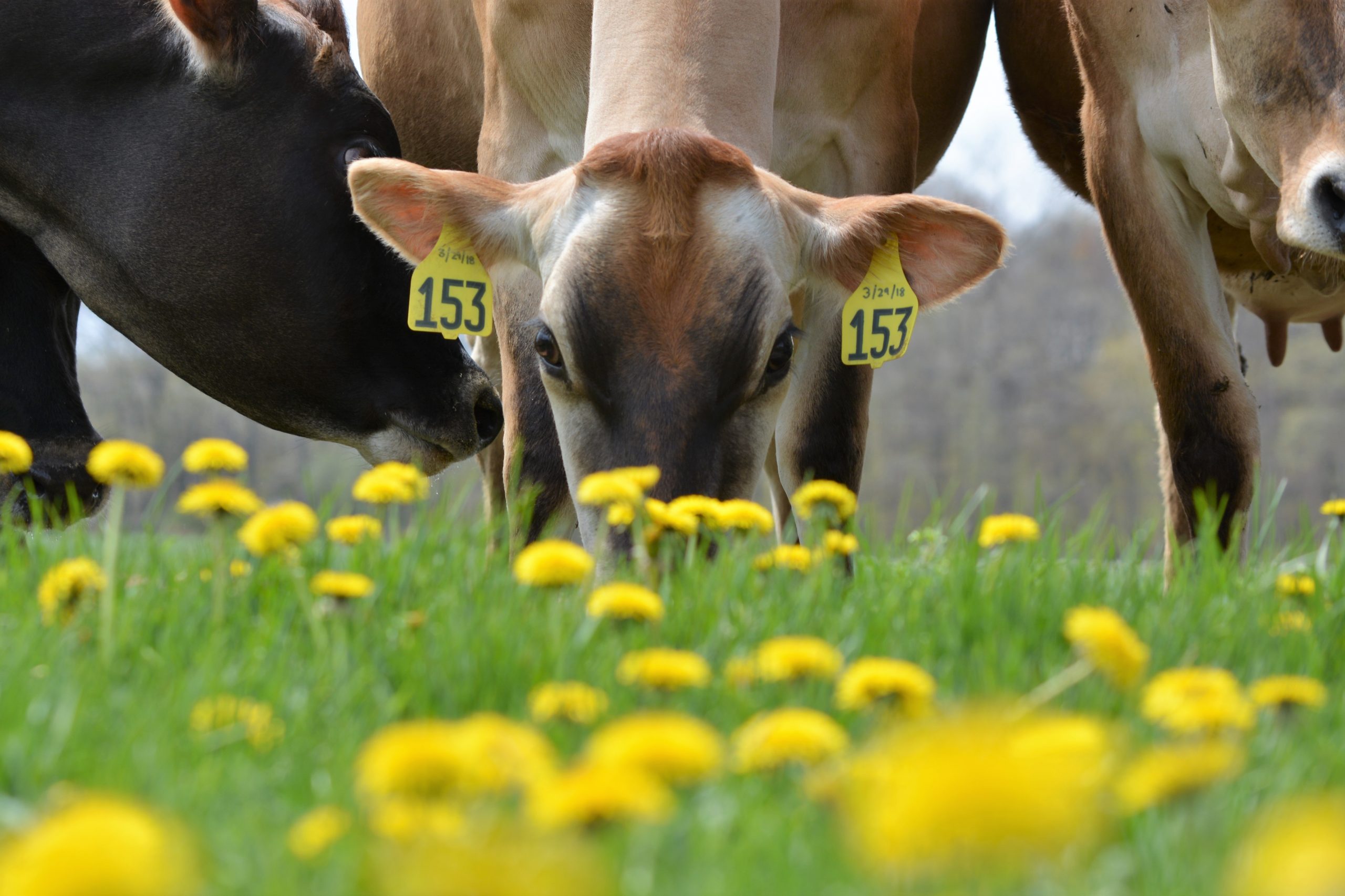
The first-place winner was Katherine Weber of Vassar, Michigan, with her photo titled “Pretty in Yellow.” The photo was taken on Weber Family Dairy and is the perfect scene for a prize-winning photo. Capturing a Jersey cow in a field of dandelions awarded Katherine a $100 gift card to MMPA’s Farm Supply Store.
2nd Place
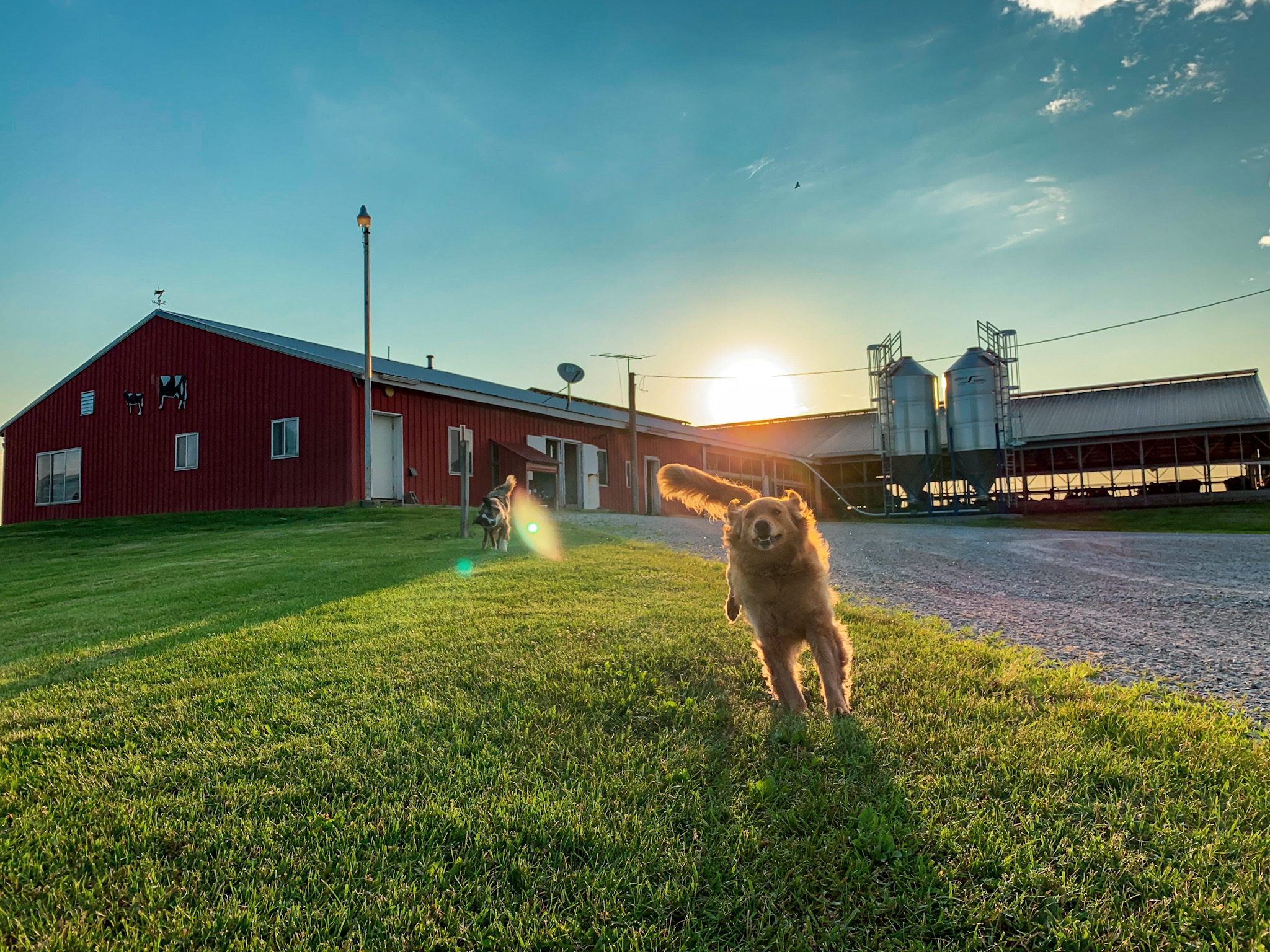
Stephanie Weil of Goodrich, Michigan, took home second-place with her photo entry titled, “Pure Golden Exuberance.” A dog’s life on a dairy farm is adventure-filled and Stephanie’s photo captures it all! As recognition for her impressive photography skills, Stephanie will receive a $50 gift card to MMPA’s Farm Supply Store.
3rd Place
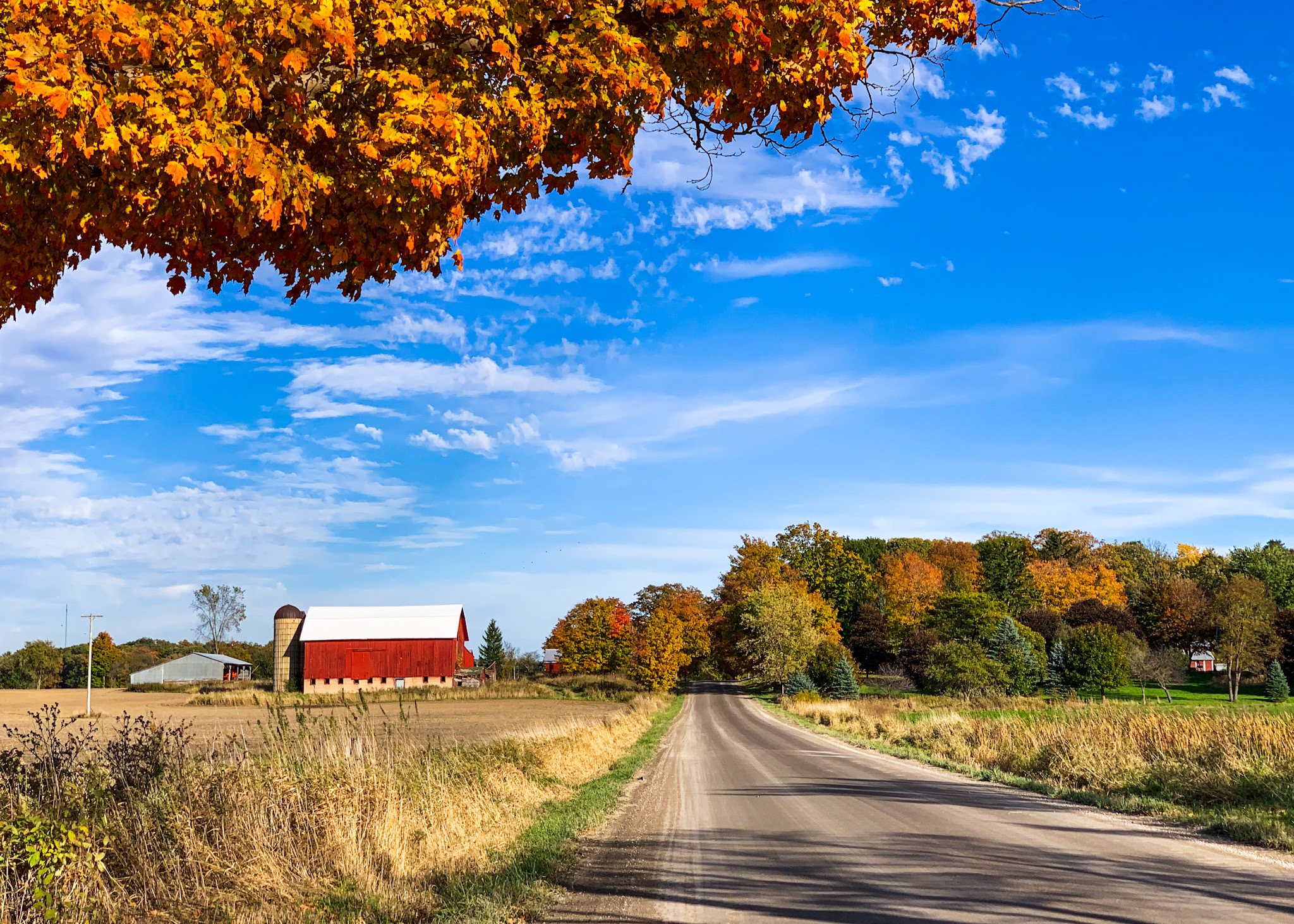
Placing third was also Stephanie Weil with her other photo entry titled, “Fall Framed Window.” Taken on Weil Dairy Farm, the photo captures a beautiful harvest scene. Stephanie will receive a cheese box from Heritage Ridge Creamery to acknowledge her success.
People’s Choice award
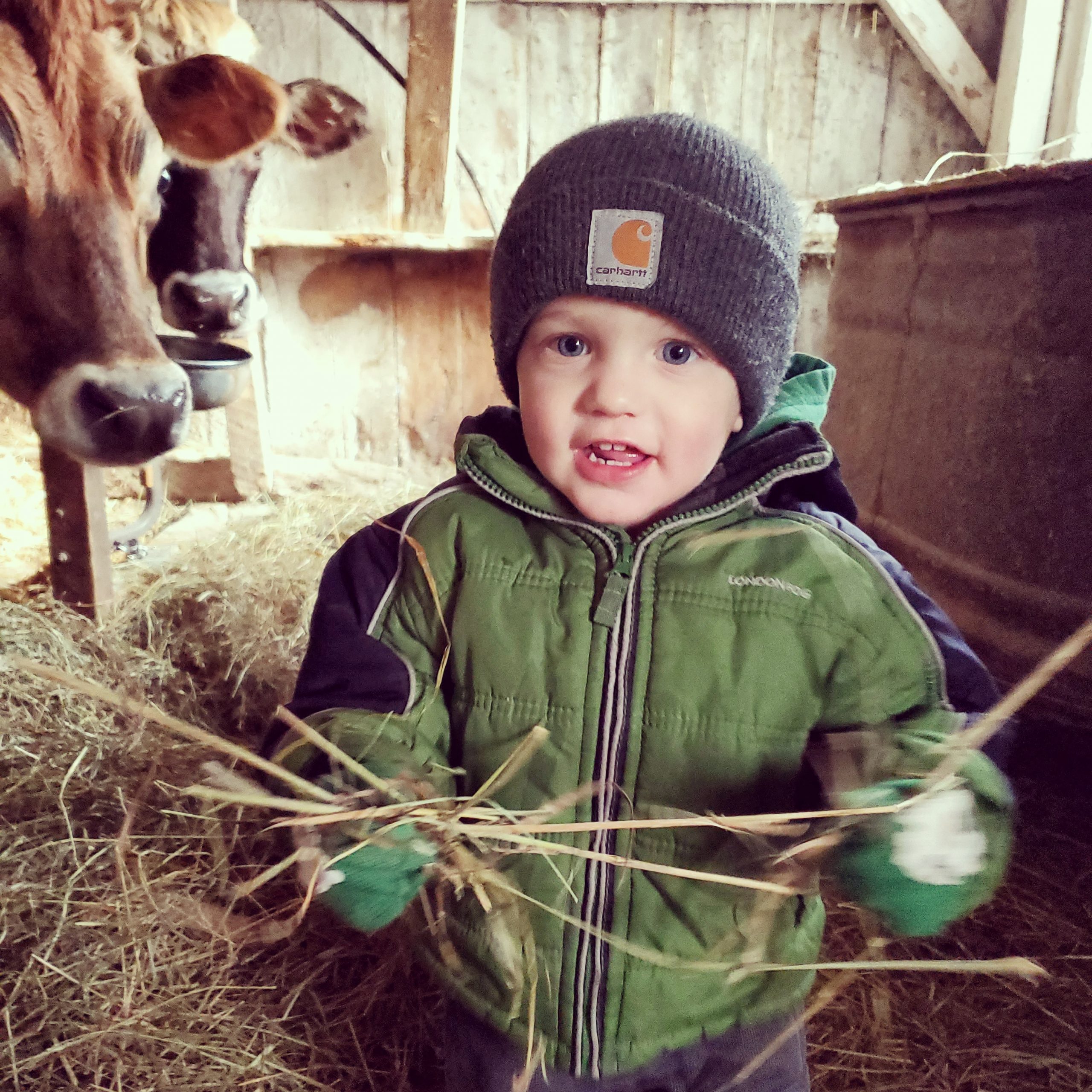
The People’s Choice Award was given to “5th Generation Farmer” captured by Leah Bolday of Emmett, Michigan, on Bolday Dairy Farm. With fistfuls of hay and a handsome grin, the photo caught the eye of the general public receiving nearly 20 percent of all votes in the People’s Choice Contest. Leah will receive a $25 gift card to MMPA’s Farm Supply Store.
MMPA Staff’s Choice
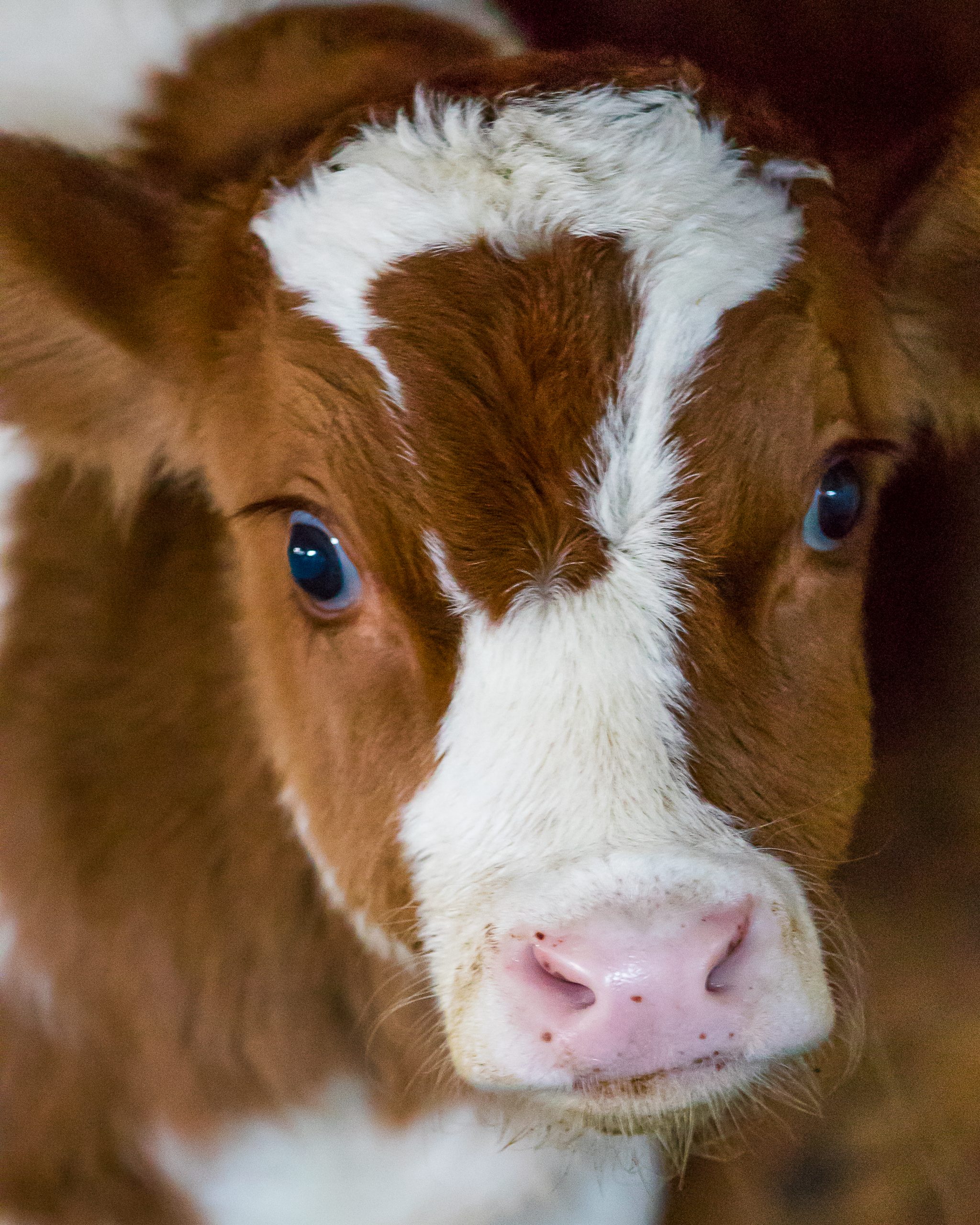
Lastly, Freda Diemer of McBain, Michigan, with her photo titled “Adora-bull Calf” won the hearts of MMPA’s employees earning Freda the Staff Choice Award. Freda’s photo rounds out the best of the 2020 MMPA Photo Contest.
This article was originally published in the September/October 2020 issue of the Milk Messenger. Subscribe »
The Michigan Dairy Ambassador program gives youth the opportunity to network with others, develop leadership skills and learn how to communicate their passion for dairy. The goal of the program is to equip each ambassador with the communication skills and tools necessary to represent the dairy community and industry in a positive way. Ambassadors participate in trainings and represent the dairy industry at promotional and outreach events throughout the year.
Madison Halfman
Hometown: St. Johns, Michigan
Growing up on her family’s dairy farm instilled a sense of pride for the industry that she’s excited to share with others. Madison Halfman, daughter of Mike and Laura Halfman, works on her family’s farm T&H Dairy Farm in Fowler, Michigan. There, she has gained practical hands-on experience of what it takes to run a dairy farm and as a 2020 Dairy Ambassador is gaining the skills it takes to share the lifestyle with consumers. Madison has plans to attend Michigan State University to pursue a Crop and Soil Science degree before returning to her family’s farm.
Anna Moser
Hometown: Dansville, Michigan
As an incoming senior at Dansville High School, Anna Moser takes advantage of any and all opportunities to grow herself and her leadership abilities. She is actively involved in 4-H, FFA and the Michigan Junior Holstein Association, holding leadership positions in each organization. After graduating from high school next spring, Anna, the daughter of Stan and Laura Moser, has plans to attend Michigan State University with the goal of learning more about agricultural business and marketing. She wants to remain active in the dairy industry and continue promoting dairy products.
Adalee Thelen
Hometown: St. Johns, Michigan
Adalee Thelen is a senior at Fowler High School this year where she is involved in the National Honor Society and plays volleyball and softball. Adalee, the daughter of Jeff and Patti Thelen, grew up on her family’s dairy farm in Saint Johns, Michigan, caring for calves and sick cows. Her dairy background led her to taking a job at a neighboring farm along with pursuing other opportunities to gain dairy industry knowledge through groups like 4-H and FFA. In the future, Adalee plans on attending Michigan State University to receive an animal science or agribusiness management degree.
Abby Vandyk
Hometown: Kalamazoo, Michigan
A graduate of Heritage Christian Academy, Abby Vandyk is the daughter of Sara Vandyk and a 2020 Dairy Ambassador. This fall, Abby is attending Michigan State University with the goal of receiving her dairy management certificate before pursuing a degree in agriculture business management. Abby is very involved in 4-H where she shows a variety of animals at her county fair and takes advantage of many leadership opportunities. She works at Vlietstra Dairy Farm as general farm labor, gaining a variety of hands-on practical dairy knowledge.
Katelynn Webster
Hometown: Barryton, Michigan
Katelynn Webster loves everything about dairy cows and the environment around them. As a 2020 Dairy Ambassador, she is passionate about sharing with consumers how farmers love and take great care of their animals. She was inspired to share the dairy story because of industry member’s passion for what they do to nourish the world every day. Katelynn is currently entering eleventh grade at Chippewa Hills
High School where she is active on the school’s track team. Outside of school, she works on a dairy farm gaining practical knowledge about the industry that she’s looking forward to applying in her future career.
Elyse Zimmerlee
Hometown: Bellevue, Michigan
Entering her fourth year at Michigan State University, Elyse Zimmerlee has competed on the 2019 MSU Agriculture Technology Dairy Judging Team, helped coach FFA teams and worked at Wing Acres Dairy. She takes mentorship seriously and is hoping to one day be an agriculture educator to help grow the next generation of dairy advocates. What she enjoys most is fostering passion for the dairy industry in others. Elyse, the daughter of Deanna and Todd Waterman, is eager to network with others and speak directly to consumers about the dairy industry.
Driven by the goal of producing high-quality milk, Brent and Emily Simon, Westphalia, Michigan dairy farmers, are focused on sustaining their family, employees and livestock for years to come. The Simons were recently selected as the 2020 MMPA Outstanding Young Dairy Cooperators (OYDC) by a panel of judges represented by leaders in the Great Lakes dairy industry.
The Simons operate a quality award winning farm with 930 cows and 2,300 acres. They are members of the MMPA Mid-Michigan Local in District 6 and were one of several finalists invited to the annual OYDC Conference held Aug. 11.
A third-generation dairy farmer, Brent takes on the role of farm manager, overseeing cows, crops and employees. Meanwhile, Emily puts her bachelor’s degree from Davenport University and experience with the State of Michigan to use while directing the farm’s finances and human resources.
Brent’s passion for dairy farming began at a young age growing up on Simon Dairy Farm. “I was probably 10, 12 years old,” Brent said of when he started pitching in on the farm. “I would be outside as soon as I got off the school bus and could throw my backpack in the house.”
Through gradual growth they enlarged the farm to the size it is today. In 1999, they expanded the farm for the first time. When Brent graduated from high school, they began planning the next expansion and they broke ground on the first new barns when he came home after completing the dairy management program at Michigan State University in 2004.
“When I graduated from college is when things started to really progress, and we started to be aggressive with our expansion,” Brent said.
The most recent expansion took place in 2012 that added yet another barn and brought their heifers home. “The growth has been gradual, a good pace for our expansions and transition,” Brent said.
But through growth and managing the day-to-day, Brent and Emily assert that taking the time to go the extra step is crucial.
“Doing things the right way” makes a difference according to Emily.
“Why bother doing the job if you’re not going to do it right. You can’t produce a safe, clean, quality product if you don’t do the right steps to meet those needs,” Brent added.
This focus is evident in their milk quality. A frequent flyer in the MMPA Quality Award program, their somatic cell counts—an indicator of good animal health and a better-tasting, shelf-stable product—average around 100,000 cells per milliliter.
In 2016, the Simon Dairy Farm was recognized as one of the six highest quality dairy farms in the U.S. by the National Mastitis Council. Brent said they follow strict milk procedures, developed with guidance from both MMPA and MSU Extension. But the key to achieving such a prestigious honor, he said, is the culmination of hard work from a lot of individuals, both in and out of the milk parlor.
“It is a big group effort from our employees, consultants, veterinarian, nutritionist—the whole team was part of that nomination. We’re pretty proud of that,” he said.
“A lot of people think that good quality milk comes from the parlor from the guys milking cows, but that’s just a small part of it,” Brent added. “Nutrition and cow comfort play a major role.”
Through meticulous control and monitoring, the Simons ensure their cows are getting the best nutrition to ultimately enable high quality milk production. They utilize weekly visits from their nutritionist and the use of feed watch to track daily dry matter intake, or the amount of moisture-free feed a cow consumes per day. Everyday they track feed inventories and feed bunks for each group of cows, which is delivered directly though a TMR mixer.
“As technology evolves our goal is to evolve along with it to make our farm most efficient,” they said. In addition to the programs they use to navigate their nutrition program, technology and software aids their milking parlor in running “smoothly and efficiently while providing great animal care.”
Sustainability also plays an important role on their farm. “Simon Dairy Farm is committed to producing quality milk while considerately working to conserve resources and manage our waste in a responsible way,” they said.
Sitting kitty-corner to the local high school, Simon Dairy Farm is very visible in their small farming community, but they use their location as way to promote what they do.
“With a school sitting across the street, we always have to be proactive and promote the wellbeing of farming and the animals themselves,” Brent said. “We want to be here for the future. We want to employ kids that come out of that school. We want the public to appreciate what we have here and realize that we do a good job and that we are here to stay.”
They are welcoming to community and industry on a regular basis, even hosting representatives from all over the world with the Alta Genetics showcase tour and being a World Dairy Expo virtual farm tour presenter.
“My parents always had an open door, open driveway policy since before I was involved” Brent said. “They were willing to educate people and just have a conversation. We have nothing to hide. We want people to see our farm, show it off and show the job our employees can do.” Looking toward the future, they hope to sustain their farm and livelihood for the next generation with the same opportunity Brent was afforded.
“My heart and desire were there from a very young age,” Brent said. “I just hope that we are able to continue to do what we love to do.”
Emily says having a future for their six kids—Kaine, Scarlett, Jude, Annabell, Theodore and Gabe—is the ultimate goal.
“In uncertain times it seems the only thing we can do is to work hard every single day showing our families and community the benefits the dairy industry brings to the world,” they said.
This article was originally published in the September/October 2020 issue of the Milk Messenger. Subscribe »
While we are still facing a global pandemic, the undercurrent of pursuing a more sustainable future continues to move in both the private and public sectors. From carbon credits being furthered in the legislative landscape and greenhouse gas emissions being highlighted on product packaging, the agriculture industry is meeting the demands of consumers with visions of a sustainable future.
Fortunately, the agriculture industry is in a better place than many. Agriculture has a good story to tell with data proving how far farmers have come in the past 20 years and the unique ability to capture carbon while efficiently producing a cost-effective and nutrient-dense product.
“For many dairy farmers who have had multiple generations involved in their operations, their definition of sustainability revolves around the ability to leave a family legacy behind,” Sarah Michalek, MMPA sustainability supervisor said.
“Companies across industries have been announcing carbon emissions goals this year, and the dairy industry has naturally positioned itself to contribute to these goals through the continuous improvements and technologies implemented to improve their dairies. The agriculture industry and dairy specifically has a great story to tell and we at MMPA are contributing to that positive story,” she added.
MMPA’s customers are reacting to the mainstream consumer who cares about the future of the planet and have showcased the necessity of developing a sustainability program. To help meet customers’ needs, MMPA is driving sustainability efforts with a mission established by the board of directors:
“To continually strive for a more sustainable future – for our community, our environment, our economy’s health, and for the lives and world around us.”
For MMPA, sustainability is focused around the three pillars of social responsibility, environmental stewardship and economic viability. To keep with their cooperative nature, the MMPA board of directors established a Farmer Sustainability Advisory Council (FSAC), chaired by Tony Jandernoa, Vice Chair of the Board of Directors.
“People are frustrated with sustainability, but the environment is important to everyone,” Jandernoa said. “With the formation of FSAC, we are hoping that we can get a dialogue going with these companies so that we can find a solution that works for everyone.”
The committee is comprised of eight members who will regularly meet with customers who have expressed interest in finding sustainable solutions to implement on dairy farms. This unique pairing of customers and farmers will provide a platform to openly discuss sustainability topics and resources to provide guidance on feasibility of potential sustainable solutions.
“By sitting down with [customers] and coming up with real solutions that work with their idea of sustainability and our idea of sustainability, I think we can have a program that works,” Jandernoa said. “The FSAC will help lead those conversations.”
Meeting in the middle between members’ farms and customer’s corporate headquarters will allow farmers to share their efforts and goals on the farm to individuals equally passionate about the future of the planet.
MMPA Farmer Sustainability Advisory Committee
The MMPA board of directors formed a Farmer Sustainability Advisory Committee (FSAC) as part of the cooperative’s continued commitment to producing high quality milk in a socially, economically and environmentally responsible manner. MMPA values the feedback and insight members can provide on farm sustainability efforts and have taken steps to formalize member engagement in our sustainability program through a new committee. Appointed by the MMPA board of directors, the committee is comprised of a chairperson and eight district members.
Farmer Sustainability Advisory Committee members
Committee Chairman: Tony Jandernoa
District 1: Carlton Evans
District 2: Richard Thomas
District 3: Bruce Riffle
District 4: Jeremy Werth
District 5: Ryan Benthem
District 6: Jamie Meyer
District 7: James Weber
District 8: Gertie Van den Goor
This article was originally published in the September/October 2020 issue of the Milk Messenger. Subscribe »
Dairy farms are often a generational picture of a family dedicated to the business through hard work and sacrifice. Much like marital vows, for better or worse, and richer or poorer, the dairy industry stands on decades of passionate people passing the torch of determination that never burns out.
The Michigan Dairy Memorial Scholarship Foundation (MDMSF) parallels the dairy industry in the history of funding young people to educate themselves to carry on the family business or support the industry in an allied career. Founded by a group of visionaries who wanted to provide scholarship funds to students interested in dairy science, the MDMSF is now in its 63rd year of awarding deserving students whose career path traverses the dairy industry.
Dr. Miriam Weber-Nielsen, MSU Department of Animal Science and Secretary of MDMSF Board of Directors, explained that the Foundation has awarded more than $1.4 million in scholarships to young people aspiring to careers in the dairy industry.
“Gifts to the MDMSF are used to grow the endowment fund with interest from the principal used to create scholarships and support learning experiences for our students in dairy,” Nielsen said. “The Foundation recognizes individuals, couples or organizations as Foundation Honorees with a $1,000 contribution, over 220 to date and the official number will increase once we can gather again to recognize our newest Honorees,” Nielsen continued.
Eleven individuals or couples have been recognized at a higher level with named scholarships. A named scholarship involves a minimum contribution, currently $50,000, and a conversation with the donors to plan the criteria for awarding of the scholarship.
According to Nielsen, the twofold purpose of the Foundation is one that people can feel good about: honoring leaders in our industry and supporting the education of young people interested in careers in dairy. The Foundation’s endowment has grown about 25 percent in recent years through generous gifts from individuals and organizations in Michigan and elsewhere. Many of these gifts were given to honor the accomplishments of individuals in Michigan’s dairy industry.
Two of the newly named endowments are the Trimner Endowment and the Hazle Endowment. Dana Sue Kirk is the daughter of the late George and Shirley Hazle who not only bred a renowned herd of Registered Holsteins, but as retired dairy farmers, they continued to enthusiastically support the industry.
“[George and Shirley] always had contributed to the scholarship and before dad died, he knew we were going to set up a named endowment for him. So, our whole family chipped in and got the endowment,” Kirk said. “Actually we were way over the $50,000 because we wanted not only to have a scholarship, but we wanted to also contribute to the dairy judging and the dairy challenge teams.”
Kirk said the endowment means allowing another individual to get an education at MSU. “Between Kevin and I and our three kids and their spouses we have ten degrees from Michigan State. And we just want to help others,” she said.
The Kirk’s son had his entire tuition paid through the Glenn Lake Scholarship. “It’s one of the longest running scholarships and it got funding early on,” she said. “With interest rates the way they’ve been in the last twenty years, they have really generated a lot of additional funding.”
Nielsen said MDMSF is kept alive through the generosity of the industry. “The dairy industry is filled with generous people, both those currently working in the industry and those who were associated with it in their past,” she said.
“They are used to contributing to their industry and to their community when they see a need. When our board members recognize a new Foundation Honoree for their industry leadership – whether that’s in an official leadership position, serving others, setting a positive example for others, or contributing to their industry or community in other ways, we find that people are quick to support the recognition with contributions to meet the $1,000 requirement,” Nielsen said. “The Foundation’s purpose of using the funds to support the college education of young people in dairy is attractive to many people.”
Nielsen pointed to a growing need for funding in recent years, “With many of our recipients coming from farm backgrounds, the importance of these scholarships has grown in the last few years with changes in the dairy and agricultural economy,” she said. “Many of our students are working while attending college. The scholarship support relieves their financial burden and allows them to focus more on their education,” Nielsen said. “It is more than just money, however. The fact that the Foundation believes in them enough to invest in them is a tremendous encouragement to our scholarship recipients, whether they come from farm or non-farm backgrounds.”
“I don’t think there is another program in the country like the Michigan Dairy Memorial Scholarship and the way it recognizes not only the student winners but also the dairy industry leaders,” said past scholarship winner, Renee McCauley. “When you look at some of the names
of the forefathers, it’s a great collection of history, and the program has a unique way of paying honor to those foundational people who had a great vision for educating farm kids.”
McCauley said it’s a picture of the dairy industry taking care of their own, “A child of the industry is supported by dairy farmers who share the same values, and the way it’s structured, the scholarship winners have a chance to meet the board members and donors, uniquely connecting the industry,” McCauley said. “It’s humbling to look at those names and see those who participated and gave back to the dairy industry through this scholarship. I’m a big fan of the Dairy Memorial scholarship.”
MMPA President and CEO Joe Diglio thanked Gary and Carolyn Trimner on behalf of MMPA at the cooperative’s annual meeting in March.
Trimner Endowment
Gary Trimner, retired MMPA Director of Member Services, and his wife, Carolyn, established an endowment to support interns in the MSU Food Systems Fellowship Program through the Michigan Dairy Memorial and Scholarship Foundation. As a long-time leader in the dairy industry, Gary and Carolyn established the endowment to benefit organizations and programs that are committed to developing the next generation of industry professionals.
While working at MMPA, Gary helped establish the Food Systems Fellowship Program and realizes the value it brings to Michigan’s dairy industry, a reason the program is at the core of the endowment. “We saw that the number of large animal veterinarians was getting less and less and we knew that we needed more and more.”
Further incentivizing participation in the program through the endowment allows Gary to continue his role in bettering the dairy industry’s future. “The goal of establishing the endowment was to benefit MMPA, the MSU College of Veterinary Medicine and the dairy industry. That’s why we did what we did.”
This article was originally published in the July/August 2020 issue of the Milk Messenger. Subscribe »
Meet 2019 MMPA Outstanding Young Dairy Cooperator finalist Ross Williams of Homer, Michigan. Ross is a graduate of Michigan State University’s dairy science program and has received the FFA State Degree and American Degree. He’s active in the FFA Alumni Association and Michigan Farm Bureau. Ross believes that everyone who loves milk has a role in reaching out to consumers to help them recognize the value of the product. For this reason, he is a part of UDIM’s Team Chocolate Milk, trying to promote chocolate milk for consumption after sporting events and workouts. An overall promotor of milk, Ross understands the value he has in America’s dairy industry.
Efficiency is the name of the game at Williams Dairy Farm. Ross makes farm decisions guided by the motive to increase efficiency wherever possible. A decision made years ago, directed by those parameters, was to install robots into the parlor to increase labor efficiency on the 130-cow farm. In the future, Ross is looking forward to building a new heifer facility to encourage better heifer growth and breeding while also being more labor efficient.
What are you thankful for?
1. My family
“I’m thankful for my family. Without their support and hard work, I wouldn’t be the man I am today. They help encourage me when times are hard.”
2. My friends
“I’m thankful for my friends. Without their craziness in my life,
I know I would have gone crazy by now. They support me and help me in any time of need.”
3. My cows
“I’m thankful for animals in my life. They allow me to enjoy every moment with them. Even when I get licked by a coarse cow tongue across the face, all I can do is laugh at times.”
4. My checkoff
“I’m thankful to be able to run under sponsorship for the United Dairy Industry of Michigan. Its combining two of my loves into one. Being able to run and encouraging people to drink chocolate milk as a recovery drink brings me joy.”
5. My industry
“I’m most thankful for one thing in life, and that’s just being a farmer. It’s a completely different lifestyle. It defines everyone in the industry as hard working and devoted to what we love. It’s about doing our best and trying to feed the world.”
This article was originally published in the July/August issue of the Milk Messenger. Subscribe »
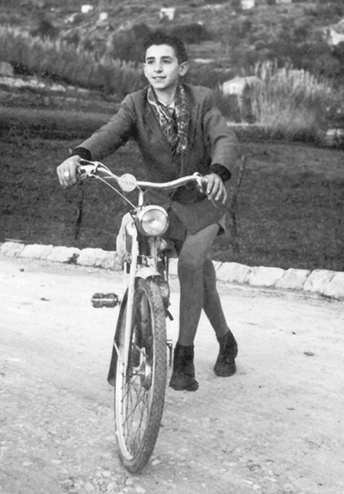
Sometimes – if it’s 1954 – all you need is a bicycle and $500 in cash to “plant the seeds” of a multinational dairy company. At least, that’s how it happened for the Saputo family.
After settling in Montreal, Canada, Lino Saputo and his parents founded a small business—Saputo, Inc.—that has since exploded into one of the world’s leaders in the dairy industry and the 2020 MMPA Valued Partner award recipient.
“After modest beginnings, the company’s founders saw their determination, hard work, passion and vision transform Saputo into an industry leader, both in Canada and around the world,” said Terry Brockman, COO and President of Saputo’s Cheese Division (USA).
Today, Saputo products can be found in 50 countries under brand names like Joyya, International Delight, Frigo and Dairy Star. The company employs over 17,200 employees and operates 66 facilities worldwide, including 26 in the U.S.
When Saputo started in the 1950s, Lino Saputo Sr. made deliveries on bike. Photo credit: Saputo Inc.
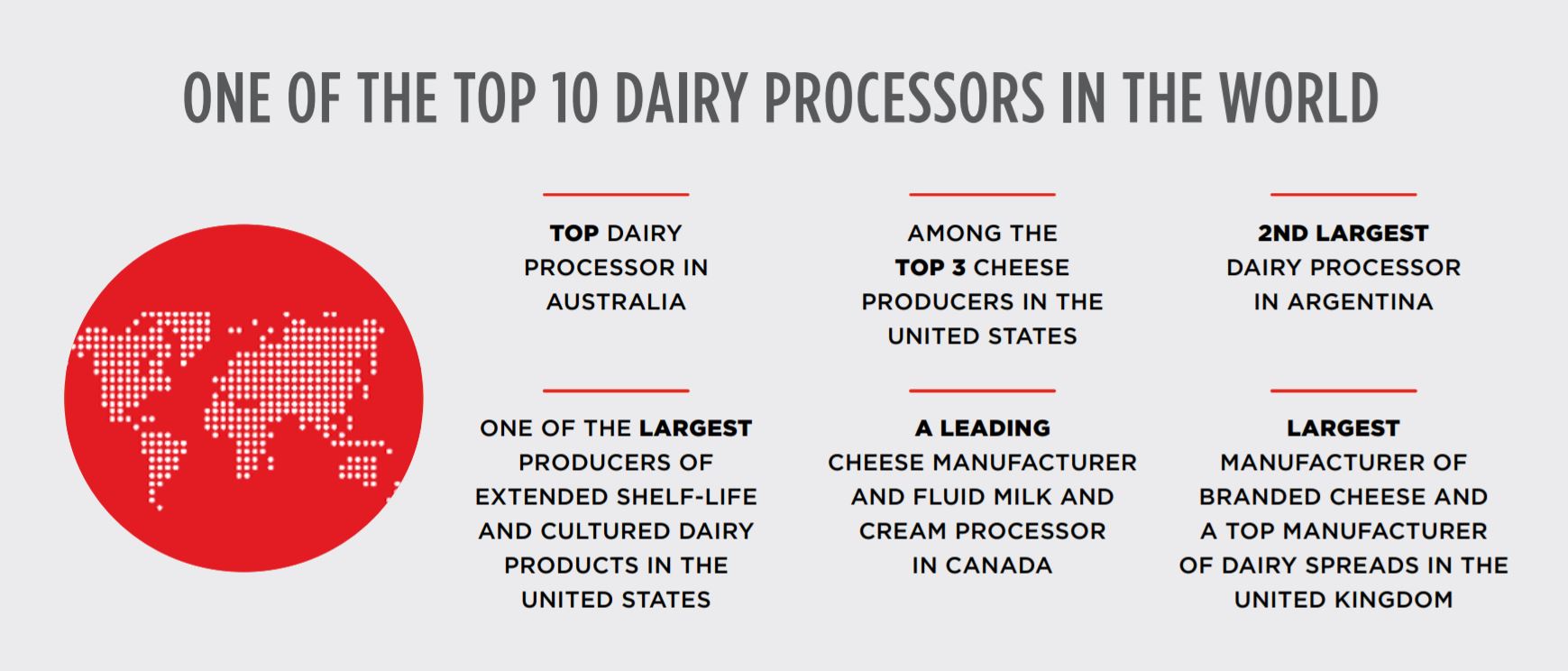
They may no longer use a bicycle as the main mode of delivery, but the Saputo family is still at the helm, with Lino Saputo, Jr. serving as chair of the board of directors. Publicly traded since 1997, Saputo is one of the top 10 dairy processors in the world and among the top three cheese producers in the U.S.
Driving Growth and Innovation
Brockman says that the company has grown significantly, in part, through 32 acquisitions over the last two decades. “Saputo is to be admired for its impressive growth via acquisitions, investments in assets and innovation, and commitment to supporting the communities in which it operates,” he said.
Leaving no class untouched, Saputo makes cheeses, fluid milk, extended shelf-life milk and cream products, cultured products, dairy ingredients, and butters, spreads and oils. MMPA supplies several ingredient products for Saputo, serving both the dairy and cheese divisions of their business.
MMPA Senior Director of Sales Jim Feeney said in addition to sales of raw milk, condensed skim products and cream, MMPA has helped Saputo meet their unique needs with the ultra-filtered (UF) milk system at the Constantine plant.
“Our UF and its customization capabilities has many applications that mesh well with Saputo,” Feeney said. “We worked alongside them to explore the capabilities of the line through test runs and trials to customize what they want and what they need.”
According to Brockman, Saputo invests in innovation and is constantly exploring new projects that align with their goals and vision. This involves partnering with suppliers like MMPA on mutually beneficial products and projects.
Feeney says MMPA helps provide support to our customers like Saputo by aligning with them through the research and development process.
“We work in tandem with their research and development team to know where they want to go and how we can help them,” Feeney said. “We imagine new products not on the market today and envision how we can align to make them possible. Together, we’re driving innovation.”
“Our company prides itself on dedicated research and development. We are always on the lookout for not only new product ideas, but also best practices in the form of technology,” Brockman said.
They have an established research and development process that Brockman says has proven successful. “Our development process incorporates the following: (i) envisioning strategic opportunities through industry dynamics and key insights, (ii) examining how we can deliver on consumer needs through product ideation leveraging R&D and culinary capabilities and (iii) executing a scalable plan to commercialize effectively and efficiently,” Brockman said.
Capitalizing on Consumer Trends
In charge of Saputo’s U.S. cheese division, Brockman says they strive to stay on top of consumer’s evolving needs in this important category.
“The Cheese Division (USA) continues to review current dairy trends to understand the changing needs of consumers to ensure we are delivering the right products for today’s consumer,” Brockman said. “Across key brands, we have launched multiple product formats such as new snacking items and have continued to grow core product types.”
For example, as demand for whole milk has regenerated in recent years, Saputo’s brand Frigo Cheese Heads relaunched its “super string cheese” product with whole milk. According to Brockman, whole milk sales have been up 6 percent since 2016 compared to prior year and have continued to grow. The use of whole milk and “unique fortification” of Vitamin A & Calcium helps distinguish the Frigo product on store shelves.
“As a processor, we’re in a unique position to affect cheese making throughout the entire manufacturing process, staying ahead of ever-changing consumer taste preferences,” Brockman continued.
Looking ahead, Saputo intends to continue charging forward with strategic acquisitions, developing new product developments, and focusing on sustainability and technology. Brockman also pointed to their focus on collaboration among their employees, 6,500 of which are based in the U.S.
Focusing on Passion and Family Spirit
“Saputo’s longstanding unique and commendable culture, which embraces open dialogue and allows every employee to be heard and respected, is something that is very important to the company,” he said.
This has continued through the added challenges of the COVID-19 pandemic. Along with ensuring business continuity, Saputo zeroed in on “supporting [the] frontline.” In addition to adapting production, supporting their local communities and patron farmers, Saputo helped their employees by “mitigating financial, physical and mental health impacts,” going back to the values that guided them to the success they have today.
“Throughout our evolution, we have maintained our culture by staying focused on the values that define us,” Brockman said. “Family spirit, loyalty and passion are the cornerstones of our approach, and teamwork, continuous improvement and quality are at the heart of our every initiative.”
This article was originally published in the July/August issue of the Milk Messenger. Subscribe »
MMPA delegates recently elected Bruce Lewis to serve a three-year term on the MMPA board of directors as a director-at-large. Lewis joins the 12 other dairy farmers on the MMPA board of directors, helping guide the direction of the cooperative and setting strategic goals.
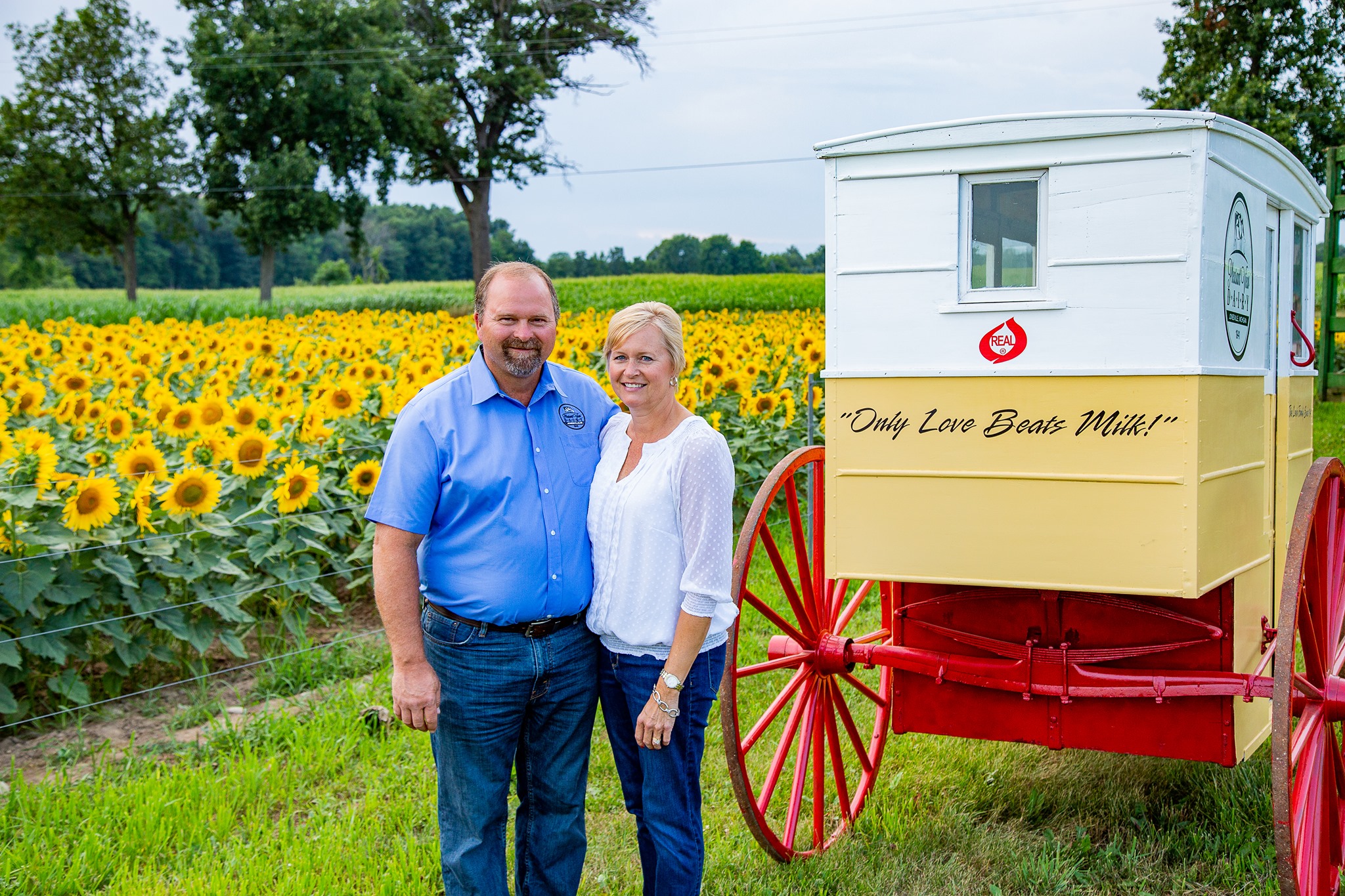
Lewis has been farming since 1984. Today, he operates 3,100 acres and milks 700 cows on Pleasant View Dairy. He is a member of the Hillsdale-Litchfield Local in District 1. He’s been active in MMPA for many years, currently serving as a delegate, a member of the Resolutions Committee and the Hillsdale-Litchfield Local President. Along with being an Outstanding Young Dairy Cooperator (OYDC) in 2005, Bruce and his wife, Jennifer, were named MSU Dairy Farmer of the Year in 2013 and have received numerous other awards in recognition for leadership within the industry.
How has MMPA impacted your farm?
MMPA has always been there for us is the best way to put it. We haven’t had to worry about whether or not the co-op would be there for us and we can count on the milk check.
Why did you want to join the MMPA board of directors?
I have always felt that for any organization that directly impacts our business, there needs to be a willingness to be involved. I just felt the time in my life was right to seek the position and try to give back to our cooperative.
What do you value most about MMPA?
MMPA has consistently been there for us. Through 105 years of history, they’ve been there through pandemics and world wars, continuing to help serve the dairy farmers. Everything that the co-op has been through, they have been able to adapt. Any time a business can stick around over a century, they are doing a lot of things right.
What are your goals and vision while serving on the board of directors?
Right now, it’s still a large learning curve, but as I get up to speed, I have a desire to help move the organization forward, so hopefully it will be in existence in the next 100 years.
What would you tell your fellow members who want to influence the direction of the cooperative?
Be willing to serve if there’s an opportunity to serve. Whether it’s as a delegate or on the Advisory Committee, people need to be willing to be involved. It’s your farm’s co-op, so you need to have willingness to be involved. It is always an amazing adventure when you go to some meetings and gather with farmers around the country and learn that we all have the same types of issues. There is commonality in meeting and finding someone, whether other side of county or other side of country, we’re all in this together.
This article was originally published in the July/August 2020 issue of the Milk Messenger. Subscribe »


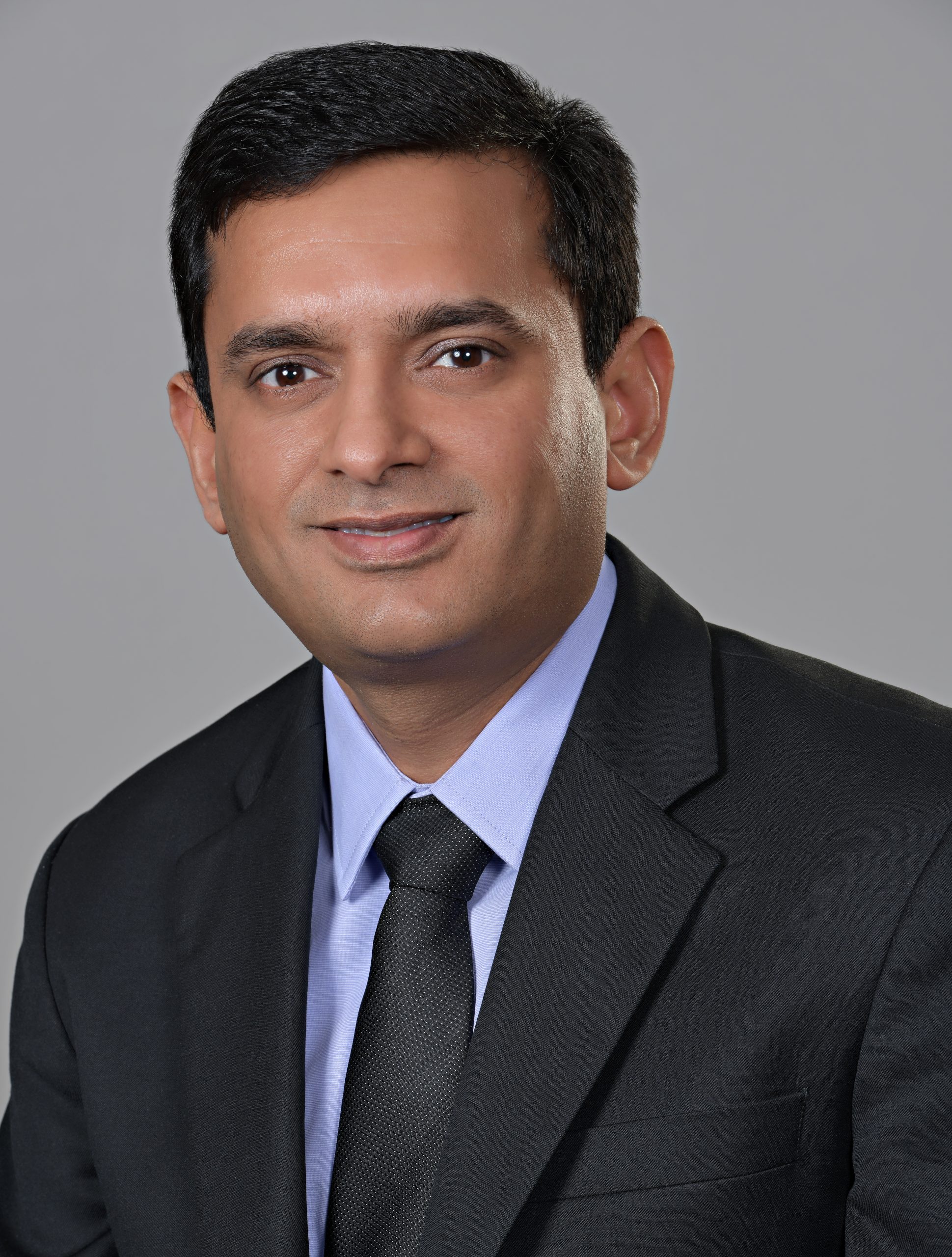 By Sudeep Jain, MMPA Director of Quality Assurance




 Madison Halfman
 Anna Moser
 Adalee Thelen
 Abby Vandyk
 Elyse Zimmerlee