
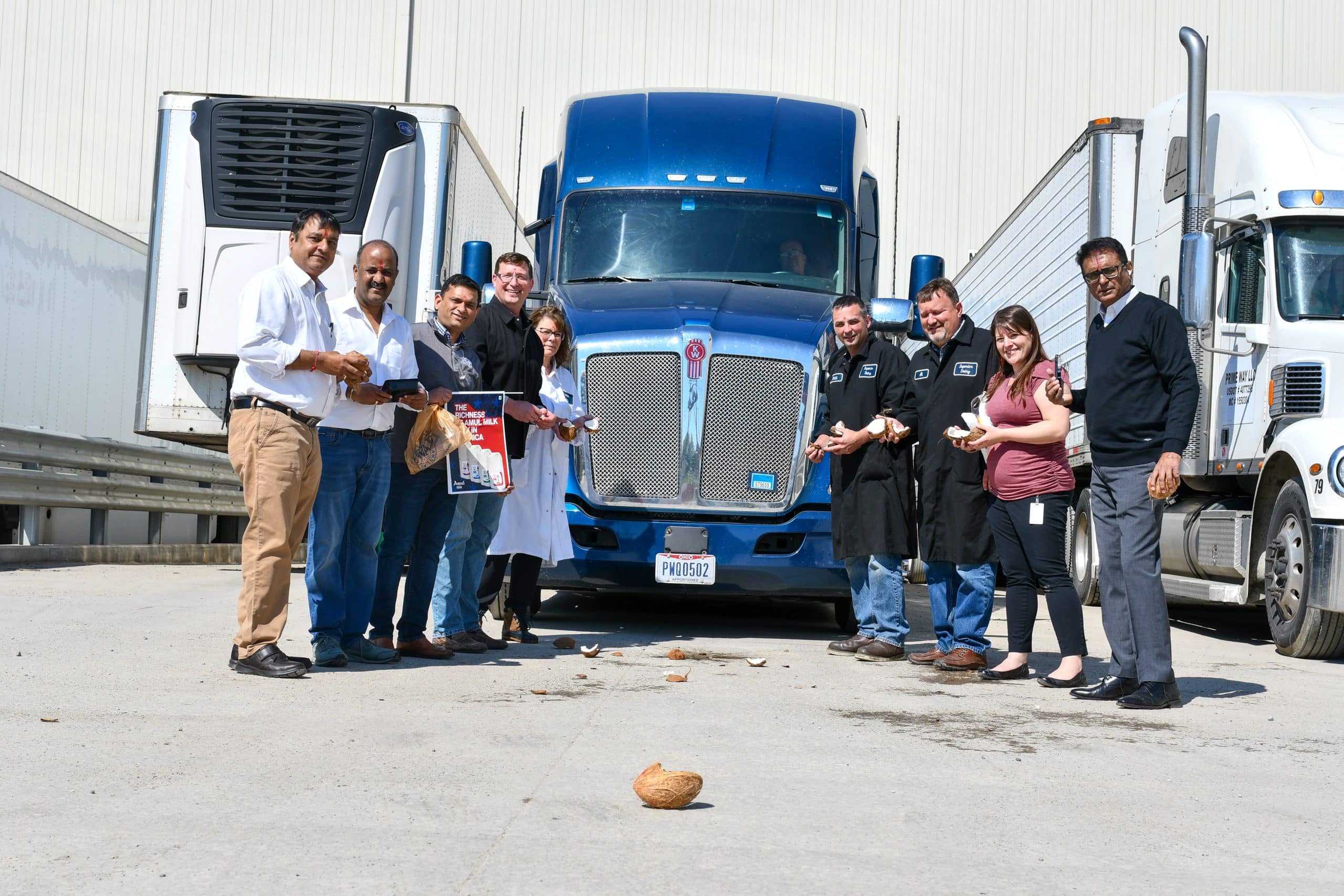
 There is nothing like the taste of home – a reason for the coconut and rice Indian celebration ritual that kicked off the launch of Amul-branded fluid milk in America. While for some the taste of whole milk may bring them the milk and cookies scene in their grandma’s kitchen, it’s the milk with 6% fat that brings Indians living in America back to memories of their home country.
“We Indians want milk which is rich in cream,” Dr. Jayen Mehta, Amul Managing Director explained. “First, because it’s tasty. Secondly, because you can make a variety of products like curd and desserts out of it. And most importantly, in India, we boil the milk to separate the fat and make clarified milk fat or ghee out of it. Really, it’s a multi-purpose milk that is valued very much in our country.”
Now, thanks to a unique partnership between dairy farmers on opposite sides of the globe, Indians who call America home can find milk in 6%, 4.5%, 3.25% and 2% fat levels under Amul’s Gold, Shakti, Taaza, and Slim ’n’ Trim labels.
Made Possible by Cooperatives
The successful partnership came together on a fateful day in Chicago during The International Dairy Federation Summit when Gujarat Co-operative Milk Marketing Federation Limited (GCMMF), the world’s largest farmer-owned dairy cooperative, met with the Michigan Milk Producers Association, America’s tenth largest dairy cooperative, to discuss their aspirations.
“During a meeting in the fall of 2023 with MMPA, we outlined the plan of entering the United States’ fresh milk market with a product that contains 6% milk fat – something never heard of in the U.S.,” Dr. Mehta said. “MMPA’s acquisition of the Superior Dairy plant is what allowed MMPA to take care of what our aspirations are in the U.S. market.”
The Amul brand is owned by the 3.6 million Indian dairy-farmer owners of GCMMF. Today, the milk produced by MMPA’s dairy farmers is rolling off the U.S.-based cooperative’s processing lines at Superior Dairy in Canton, Ohio, with Amul labels destined for Indian markets throughout the Midwest and East Coast. The plant’s caseless milk packaging design and proprietary fluid milk technology is what allowed for the partnership to work quickly, launching the product six months after conversations began.
“Our partnership with Amul allows us to work with another cooperative to help them grow their brand in the United States while expanding our market offerings with our members’ milk,” MMPA President & CEO Joe Diglio said. “The partnership utilizes MMPA’s state-of-the-art technology and high-quality member milk to market Amul-branded fresh milk products that can otherwise not be imported.”
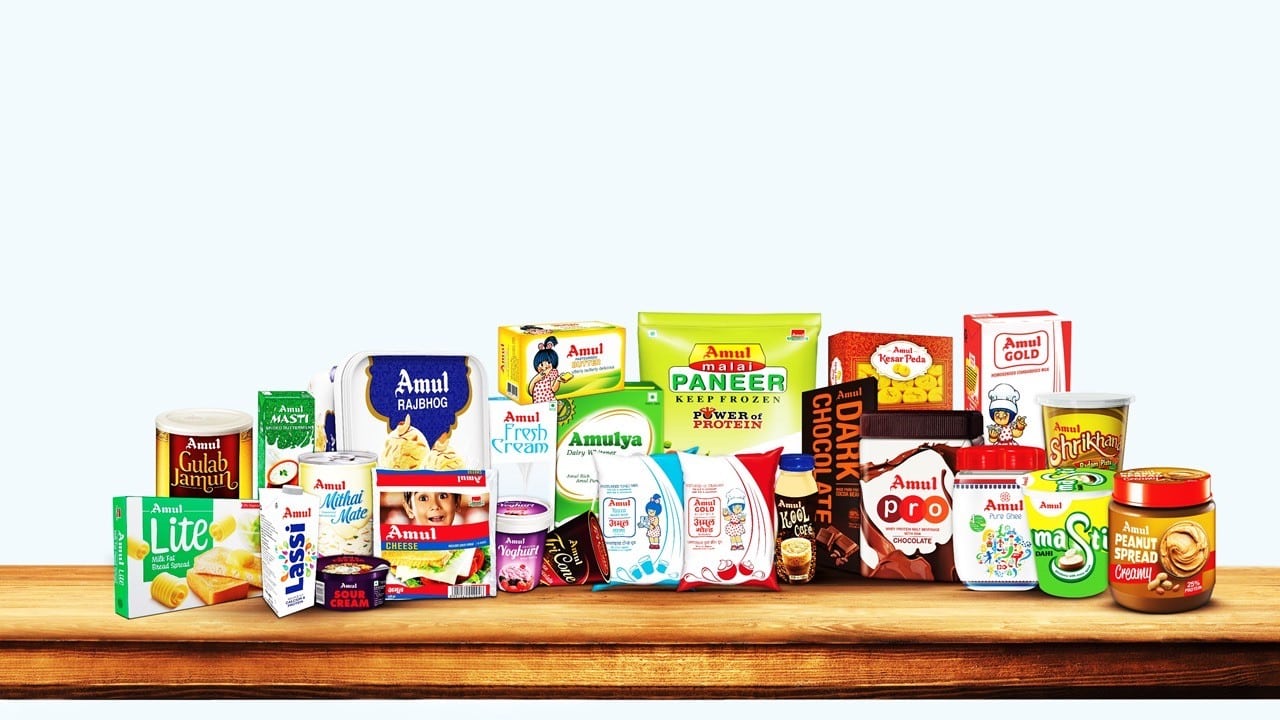
The Amul brand is a staple for many of India’s population and those beyond, with the brand exporting products to more than 50 countries around the world in more than 50 different product categories. Amul products range from traditional American products like cheese, yogurt and chocolates, to more unique Indian cuisine like paneer, an Indian cottage cheese; ghee, clarified butter; and lassi, an Indian yogurt drink.
“This partnership will go a long way in improving and making available the products of the Indian tastes to our consumers while optimizing the use of the good quality milk that MMPA cooperative farmers produce and leveraging that to create a market,” Dr. Mehta said.
The Amul hype is here in the U.S. as the international partnership fulfills India’s Hon Prime Minister Mr. Narendra Modi’s vision to make Amul a global dairy brand. The excitement carried from the Hindu worship ritual involving breaking coconuts as the first truck departed Superior Dairy, all the way to New York during the official launch of the Amul milk in the U.S. complete with dancers and music at the Consulate General of India in New York.
More to Come
The excitement has only part to do with the milk offerings, but also what else is to come. Amul is a brand rooted in innovation with 125 new products in the pipeline and an average of launching almost 50 new products every year.
“Continuous innovation is a game changer for us and the most important thing that we do,” Dr. Mehta said. “India is the largest producer of milk in the world, but with a population of 1.5 billion, which is the largest in the world, it’s also the largest market for dairy products in the world. All the multinational players are eyeing the Indian market. If they are well funded, they could develop products which are better or more innovative than ours, then we will be left behind in our own market.”
Amul will not be left behind. This year, they’re working on launching products high in protein to service a growing number of consumers who are health conscious. Their successful innovation strategy is consumer-centric and has led to them dominating many new markets that they’ve created.
“We were making chocolates for the last 50 years, but five years ago we noticed that the India dark chocolate market had not developed, so we developed it,” Dr. Mehta said. “We started with 55% dark, then we developed a 75% dark chocolate and then a 90% dark chocolate and are now up to 99% dark chocolate and working across multiple flavors, variants and options. Today, we are the largest player in the dark chocolate market in India.”
The grit and determination of the Amul brand stems from the hard work of their dairy-farmer owners, very similar to MMPA’s own operations.
“We focus on making good quality products available and affordable using the sheer strength and heft of the organization in nationwide distribution and marketing,” Dr. Mehta said. “As cooperatives, we understand each other, and we share common values. This is just the beginning. We have an opportunity and a potential to go a long way, both in the U.S. market and in different markets around the world.”
Looking forward, Amul is excited to sponsor the U.S., West Indies and Sri Lanka cricket teams for the upcoming T20 World Cup hosted in the U.S. Cricket, a sport popular in India, is a perfect sponsorship opportunity to continue building hype around the launch and recognize milk’s role in sports nutrition – a global effort.
“Consumers love to see the Amul brand on the shelf. They like the taste of the product. They like the conversations around the brand. And this is what helps in strengthening and deepening the relationship,” Dr. Mehta said. “The farmers are happy, the consumers are happy, and this is what we as brands can do to make a small change in their lives.”
Working together, Amul and MMPA are bringing the high-quality milk MMPA members are known for to the fridges of those seeking a taste of home.
This article was originally published in the July/August 2024 issue of the Milk Messenger. Subscribe »