
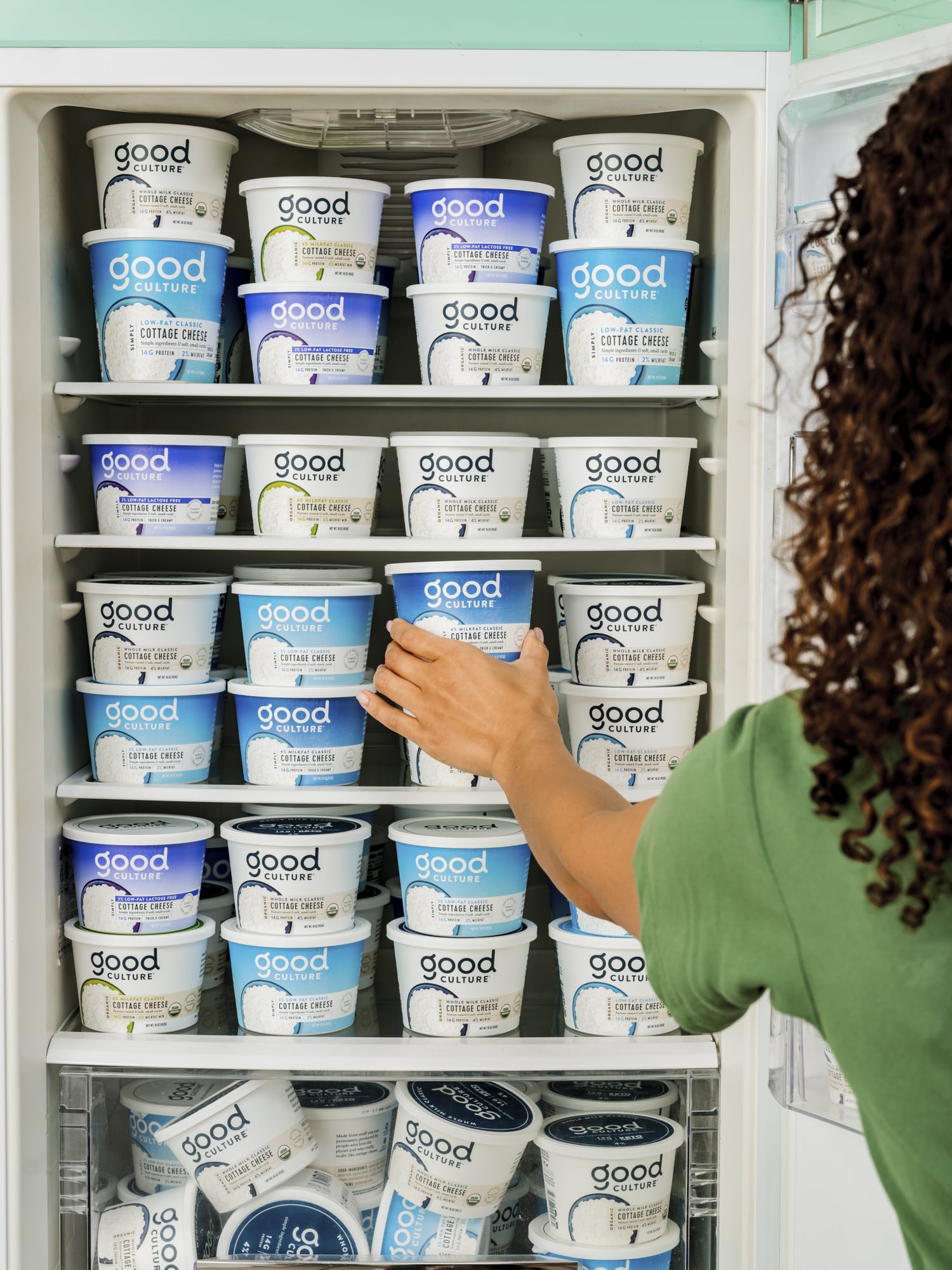
When Jesse Merrill first turned his attention to cottage cheese, he did not see a trendy product or a fast-moving category, he saw a missed opportunity.
By that point, Merrill had already built a career in consumer packaged goods, helping grow startup beverage brands in the better-for-you space. He had worked with tea companies where he helped scale them during a period of rapid growth and learned firsthand what it takes to build a mission-led brand with staying power.
Still, the company he would eventually found did not begin with a carefully planned dairy strategy. It began at home.
“My wife was pregnant, and she was eating a lot of cottage cheese,” Merrill said. “And I had not thought about cottage cheese in a long time.”
The more he looked, the more he felt the category had been left behind. The packaging was uninspiring, the product experience was disappointing, and the ingredient labels did not align with the kind of real food he cared about personally.
“I picked up the tub, and I took a look at it, and I wasn’t impressed with the packaging, the branding or the marketing,” Merrill said. “The product inside was also uninspiring. It was soupy, slimy and didn’t really taste good. It wasn’t a great experience, and then I looked at the ingredient statement, and it was loaded with additives.”
But alongside that, Merrill saw something more important: a product naturally high in protein, low in sugar and packed with untapped potential.
“That was like the light bulb moment,” Merrill said. “I’m like, okay, this is an overlooked superfood. No one’s talking about it. It’s not being presented in the right way.”
An Overlooked Opportunity
That realization became the foundation for Good Culture.
From the beginning, Merrill believed cottage cheese was not failing because consumers no longer wanted nutritious dairy foods. It was failing because the category had not been reinvented for modern shoppers. If a company could deliver a better product, present it with more relevance and connect it to younger consumers, he believed the category could grow again.
This was not a small ambition. Merrill was entering a declining category that many brands had largely accepted as static. But he believed cottage cheese still had room to win, especially if it could move beyond its outdated reputation as a diet food.
“If we can find a way to bring relevance back to this overlooked superfood and market it in a way that will bring younger consumers in, there’s a huge opportunity,” Merrill said.
Building a Better Cottage Cheese Brand
Good Culture officially launched in 2015 after Merrill spent the previous year building the concept and finding a manufacturing partner. The company entered the market through natural food chains in regions of the U.S., but the launch was only the start of a much harder process: convincing shoppers to look twice at a category many had ignored for years. That challenge shaped the company in its earliest days.
“We had to reframe the category for consumers, reimagining the category and then presenting it in a way that would get them to pay attention and listen,” Merrill said. “And that was really, really challenging at first.”
It was even harder because Good Culture was not just introducing a new brand, it was introducing a cleaner, short shelf-life dairy product.
“With dairy, especially clean-label, there is a short shelf-life. You don’t have a lot of time to build consumer interest and consumer love,” Merrill said. “The product needs to sell.”
So Good Culture chipped away. Merrill and his team focused on product quality, in-store education and steady consumer connection. They worked to disrupt old shopping habits and prove that cottage cheese could deliver a completely different eating experience. The product itself became one of the company’s clearest differentiators.
We created a product that was heavily differentiated from a taste and texture standpoint: thicker, creamier, and cleaner,” Merrill said. “Our real food, simple ingredient story created a clear contrast with the competitive set.”
 Winning Over a New Generation
That product focus gave Good Culture credibility, and its marketing gave it momentum. Over time, the company steadily built a loyal following, but a major turning point came in 2023 when an influencer’s TikTok recipe using Good Culture to make ice cream went viral. What followed was not just a moment for the brand, but a moment for the category.
Consumers began using cottage cheese in pancakes, bagels, smoothies, pasta dishes and other high-protein meals. Suddenly, younger shoppers were not just willing to try cottage cheese, they were actively looking for ways to use it. Merrill saw the shift up close, even in his own family.
“I went from being the lame cottage cheese dad to the cool cottage cheese dad,” Merrill said.
For Good Culture, the moment validated what the company had believed all along: cottage cheese was more versatile, relevant and appealing than the category had been given credit for. Since then, Merrill said the category has surged, and Good Culture’s own growth has accelerated right alongside it. Still, Merrill does not see the work as finished.
“It does feel like there’s still a ton of opportunity to continue to grow the category through more innovation,” Merrill said.
As the company grows, Merrill says the focus remains fixed on the values that built it. Strategy may evolve, but Good Culture’s foundation will not.
“We will always be a clean label-focused product brand. We will always lead with mission and authenticity first,” Merrill said. “We will continue to be obsessed with the consumer and be a consumer-led organization. And we will always have a quality-first mindset.”
A Partnership Built on Shared Values
Those values are part of what makes the company’s partnership with Michigan Milk Producers Association (MMPA) a meaningful fit. It’s a partnership that is more than just about a product on a shelf, but a relationship between a brand and the farm families whose milk makes that product possible. For Merrill, that connection matters deeply.
“MMPA shares that quality obsession,” Merrill said. “We have shared values with MMPA, which is a big reason why we were so excited to work with them.”
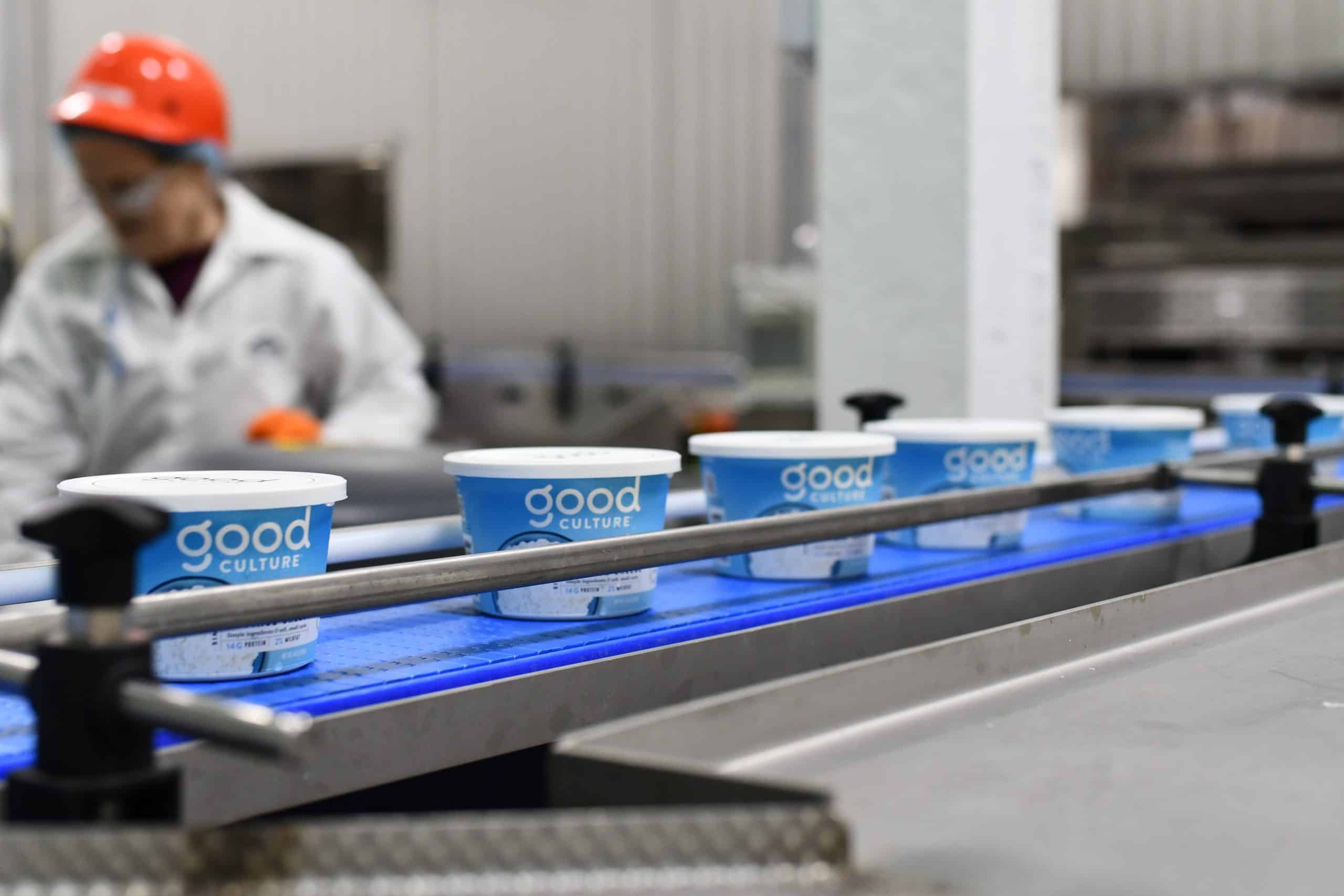
As part of the partnership, MMPA is producing Good Culture cottage cheese at their new plant in Remus, Michigan, serving as not only a supply solution for a fast-growing brand, but as partners aligned in quality, values and community impact.
“Our consumers are looking for real food products and real starts at the farm,” Merrill said. “Dairy farmers are the backbone of everything that we do. Without them, we don’t have a product, we don’t have a brand.”
For a company built on the idea that an overlooked dairy food could become relevant again, that perspective feels fitting. Good Culture may have started with one founder noticing a problem in his own kitchen, but its growth has depended on much more: a better product, an obsessed consumer base, and a dairy supply chain capable of helping the company scale.
As cottage cheese finds new life with younger consumers, Merrill believes MMPA producers should see themselves in that story too.
“The work that your farms do builds the foundation for a brand that’s giving the next generation a reason to fall in love with dairy again,” Merrill said.
This article was originally published in the July/August 2026 issue of the Milk Messenger. Subscribe »